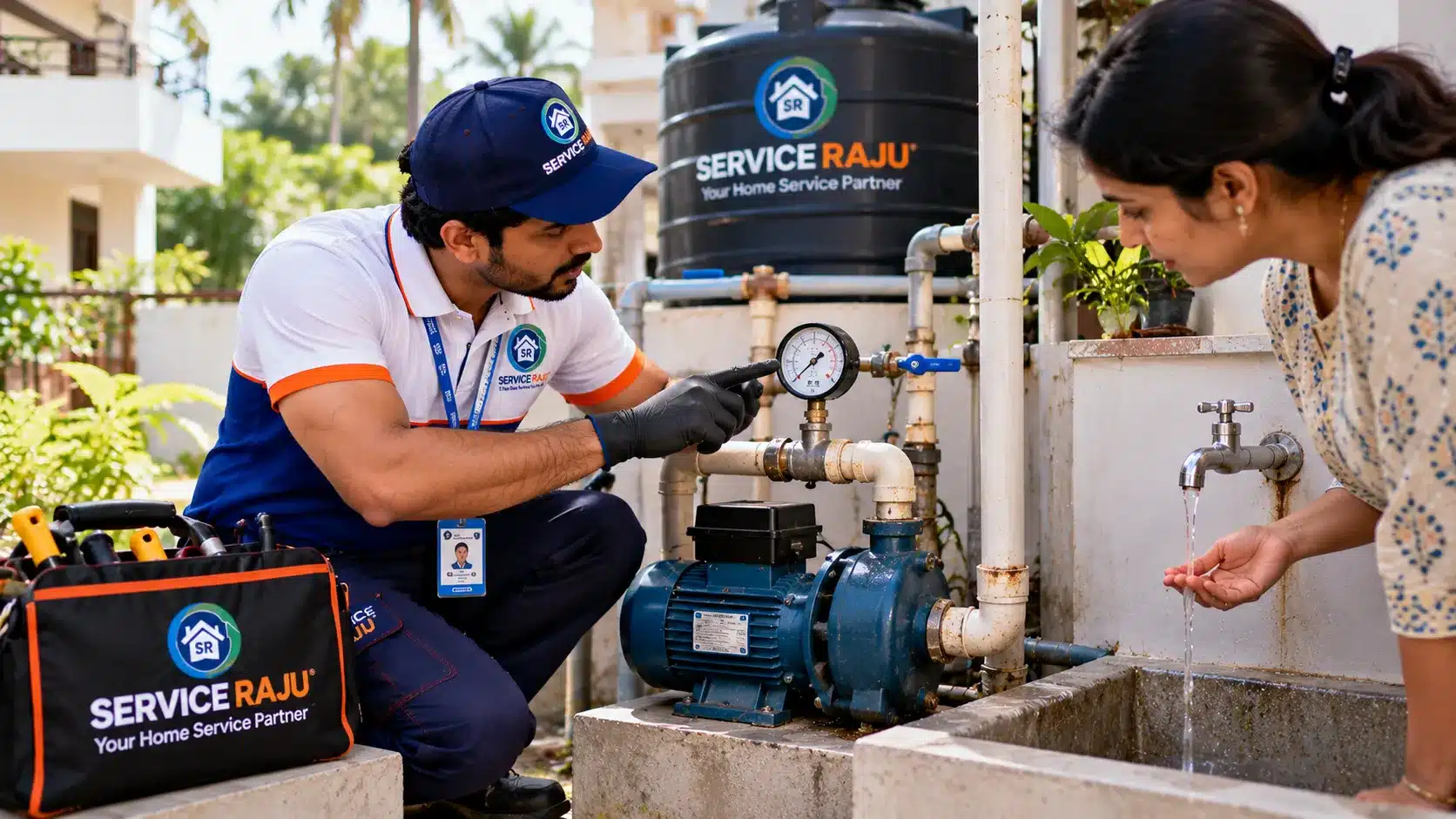
Water Motor Running but Water Flow Is Weak: 9 Causes to Check
Low water pressure Mysore can be frustrating when the household water motor is clearly running but taps, showers, bathrooms or upper-floor outlets still receive only a weak flow. Many homeowners immediately assume the motor needs replacement, but the actual problem can be in the water level, inlet pipe, valve, air supply, blockage, leakage, pressure demand or the pump itself.
This is particularly relevant for homes that depend on stored water and pumping systems. Karnataka finished the 2026 southwest monsoon with a reported 35% rainfall deficit, while Mysuru was reported to have a 59% deficit and the four major Cauvery-basin reservoirs were around 52% of gross capacity at the end of September. These conditions make careful household water management more important, but they do not by themselves prove that a home's pump is defective.
Before booking water motor repair Mysore, use this diagnostic guide to check the simple causes first and understand when the problem needs professional pump or plumbing inspection.
Quick Answer: Why Is Water Flow Weak Even When the Motor Is Running?
Weak water flow can be caused by:
- Low water level at the pump inlet
- Air entering the suction line
- A partially blocked inlet pipe
- A closed, stuck or damaged valve
- A leaking suction pipe or connection
- A blocked pump or impeller
- Excessive pressure loss in the plumbing system
- Pump wear or mechanical performance problems
- A system that is not correctly matched to the required flow and pressure
The important point is that a running motor does not automatically mean the pump is producing the required water flow or pressure.
Table of Contents
- Water Flow vs Water Pressure: What Is the Problem?
- 9 Causes of Weak Water Flow
- Safe Checks You Can Do First
- Why Upper Floors Often Have Weak Pressure
- How a Technician Checks Pump Performance
- When You Need Water Motor or Plumbing Repair
- 5 Mistakes to Avoid
- Water Motor & Pressure Inspection in Mysore
- FAQs
- Final Takeaway
Water Flow vs Water Pressure: What Is the Problem?
Customers often use “low pressure” to describe any weak flow, but the two are related rather than identical.
Flow is how much water comes out over a period of time. Pressure is the force available to push that water through the plumbing system.
A tap can have weak flow because of a blocked aerator or pipe even when the pump itself is working correctly. Conversely, a pump can be running but fail to provide enough pressure for an upper-floor outlet.
That is why the first diagnostic question should be:
Is the weak flow happening at one outlet, several outlets or throughout the property?
That simple observation can help narrow the problem.
9 Causes of Weak Water Flow Even When the Motor Is Running
1. The Water Level at the Pump Inlet Is Too Low
If the pump draws water from a sump, underground tank or another storage source, the available water level matters.
A low inlet level can reduce the conditions under which the pump can operate properly. Manufacturer troubleshooting guidance lists low inlet pressure and low liquid level among causes of insufficient pump delivery.
Check:
- Is the storage tank sufficiently filled?
- Is the pump drawing from the intended water source?
- Has the water level recently fallen?
- Did the weak-flow problem begin after the water level dropped?
Do not allow a pump to run dry simply to test whether it improves.
2. Air Is Entering the Suction Line
Air entering the suction side can interfere with stable water delivery.
Possible clues include:
- Pump sounds different
- Water flow fluctuates
- Pump needs repeated priming
- Flow starts and stops unexpectedly
- The system has recently been opened or repaired
Grundfos troubleshooting guidance identifies air in the suction pipe or pump as a cause of inadequate or unstable delivery and recommends checking the suction line for leaks and ensuring appropriate priming/venting procedures.
Customer action: look for obvious external leaks or disturbed connections, but leave pump opening, electrical work and internal priming procedures to a qualified technician where needed.
3. The Inlet or Suction Pipe Is Partially Blocked
A pump may run normally while a restriction on the suction side limits how much water can reach it.
Possible causes include:
- Debris
- Sediment
- Blocked strainer
- Partially closed valve
- Pipe restriction
- Foreign material
Grundfos troubleshooting documentation lists a blocked suction pipe or pump as a cause of insufficient delivery and recommends checking the suction path.
4. A Valve Is Closed, Partially Closed or Faulty
A valve anywhere along the water path can affect flow.
Check accessible valves for:
- Partially closed position
- Stiff operation
- Visible damage
- Recent plumbing work
- Incorrect valve position after maintenance
Grundfos guidance identifies closed or malfunctioning valves among situations that can prevent normal water delivery.
Do not force a seized valve. A damaged valve can create a separate leakage or plumbing problem.
5. The Suction Pipe or Connection Has a Leak
A small leak on the suction side can create problems even when water is not visibly pouring onto the floor.
Look for:
- Wet joints
- Loose connections
- Cracked fittings
- Air entering through a faulty seal
- Recent pipe modifications
Manufacturer troubleshooting guidance lists suction-line leakage and defective seals as causes of poor pump performance.
If the leak is concealed or the connection needs to be dismantled, arrange professional inspection rather than repeatedly tightening fittings without knowing the system condition.
6. The Pump or Impeller Is Restricted
Debris inside the pump or around the impeller can reduce performance.
Possible warning signs include:
- Weak flow despite good water availability
- Unusual noise
- Vibration
- Flow that becomes progressively weaker
- Pump heating or repeated protection trips
Grundfos troubleshooting information lists blocked pump components, clogged impellers and foreign material as possible causes of reduced or unstable performance.
Do not open the pump or terminal box yourself. Electrical supply should be isolated before qualified pump service work. Manufacturer instructions explicitly warn about switching off and securing the power supply before dismantling pump components.
7. There Is Too Much Pressure Loss in the Plumbing
Sometimes the pump is working, but the plumbing system is creating too much resistance.
Possible causes include:
- Long pipe runs
- Too many fittings
- Small or restricted pipe sections
- Partially blocked plumbing
- Multiple outlets being used simultaneously
- Large elevation difference
This is particularly important in larger homes where the pump must lift water to upper floors.
A pump technician should assess the actual system requirement instead of assuming that a larger motor will automatically solve the problem.
8. The Pump Has Mechanical Wear or Reduced Performance
If the water level, inlet path, valves and plumbing appear normal but pressure remains weak, the pump itself may need inspection.
Possible mechanical issues can include:
- Worn internal components
- Damaged impeller
- Bearing problems
- Motor-performance issues
- Seal-related problems
- Incorrect operating condition
Manufacturer troubleshooting guidance identifies worn internal components and defective bearings among possible causes of poor or unstable pump performance.
9. The Pump Is Not Suitable for the Required Duty
A motor can run perfectly and still be unable to provide the pressure and flow the property requires.
This can happen when:
- The house has gained another floor
- More bathrooms were added
- Water demand increased
- The pipe route was modified
- The pump was replaced with a smaller model
- The system requires more pressure than the pump can deliver
The correct solution may be a system assessment rather than immediately installing a higher-powered motor.
Pump selection depends on the required flow, available inlet conditions, total head and system losses.
Safe Checks You Can Do First
Before booking a water pump service, you can safely collect useful information without opening the pump.
Check 1: Compare Several Taps
Turn on two or three outlets at different locations.
Ask:
- Is only one tap weak?
- Are all taps weak?
- Is the ground floor stronger than the upper floor?
- Does flow reduce when multiple taps open?
Check 2: Check the Water Storage Level
Confirm that the sump or source tank contains enough water for the pump system.
Check 3: Check Accessible Valves
Look for an accidentally partially closed valve after recent plumbing work.
Check 4: Listen to the Pump
Note whether it sounds normal, unusually noisy, rattling, vibrating or repeatedly starting and stopping.
Check 5: Look for Visible Pipe Leakage
Inspect accessible connections for wetness or dripping.
Check 6: Check Whether the Problem Is New
If the same pump previously delivered strong flow, a sudden change deserves diagnosis. If flow has always been weak, system sizing or installation may be more relevant.
Do not open electrical panels, remove the pump casing or work on energized electrical components.
Why Upper Floors Often Have Weak Pressure
Water has to overcome elevation before it reaches a higher outlet.
That means a system that provides acceptable flow on the ground floor may still struggle on the first, second or higher floor.
For example, the technician may need to consider:
- Pump head
- Water source level
- Pipe size
- Pipe length
- Number of fittings
- Elevation
- Simultaneous water demand
This is why increasing motor size without calculating the system requirement can be the wrong solution.
How a Technician Checks Pump Performance
A professional water motor repair Mysore inspection should follow a logical sequence.
Step 1: Check the Complaint
The technician determines whether the weak-flow problem occurs at one outlet or across the whole property.
Step 2: Check Water Availability
The storage tank or source should be checked before blaming the pump.
Step 3: Inspect the Inlet Path
Look for valves, restrictions, air entry and visible leakage.
Step 4: Inspect the Pump
The technician can assess noise, vibration, mechanical condition and other visible operating symptoms.
Step 5: Assess the Discharge Side
Check the outlet pipe, valves and possible restrictions.
Step 6: Measure or Assess Pressure Where Appropriate
Where a pressure gauge or suitable diagnostic equipment is used, the technician can compare the observed pressure with the system requirement.
Step 7: Determine the Actual Cause
The recommendation may involve:
- Valve correction
- Pipe cleaning
- Leak repair
- Pump servicing
- Impeller or component repair
- Electrical inspection
- Plumbing repair
- System redesign or pump replacement where genuinely required
When You Need Water Motor or Plumbing Repair
Arrange professional low water pressure repair when:
- Every tap in the home has weak flow.
- The motor runs but flow remains unusually low.
- The problem suddenly developed.
- The pump is noisy or vibrating.
- Water is leaking around the pump or pipework.
- The pump repeatedly trips electrical protection.
- Upper-floor water pressure is consistently inadequate.
- The problem returns after basic cleaning or valve checks.
- You suspect a concealed pipe blockage or leakage.
A professional inspection can determine whether the issue belongs to the pump, plumbing system or both.
5 Mistakes to Avoid
1. Do Not Increase Pump Size Without Checking the System
A larger pump does not automatically correct a blocked pipe, leaking suction line, closed valve or unsuitable plumbing arrangement.
2. Do Not Run the Pump Dry
Lack of water at the pump inlet can cause operating problems and, depending on the pump, damage.
3. Do Not Open Electrical Components Yourself
Switch off and isolate power before any qualified service work. Manufacturer documentation explicitly warns about electrical isolation before pump dismantling.
4. Do Not Ignore New Noise or Vibration
These symptoms can point to inlet conditions, air, blockage, imbalance or worn components.
5. Do Not Assume Weak Flow Always Means Pump Failure
A valve, blockage, pipe leakage, air entry or pressure loss can produce the same customer symptom.
Water Motor & Pressure Inspection in Mysore
Service Raju provides water-motor and plumbing support in Mysuru for homes and residential properties.
Relevant services include:
- Water Motor Service Consultation
- Water Motor Repair
- Water Pump Service
- General Plumbing Repair & Maintenance
- Water Pressure Inspection
- Pipe Leakage Inspection
- Drainage & Blockage Solutions
- Water Leakage Detection
- Water Level Controller Installation
What We Check
Depending on the complaint, the technician can investigate:
- Water-source level
- Pump inlet
- Valves
- Suction-line condition
- Visible pipe leakage
- Discharge-side restrictions
- Pressure symptoms
- Pump operating condition
- Plumbing-related flow restrictions
The objective is to determine whether you need water motor repair, pump service, plumbing repair or a combination of services.
Book Water Motor & Pressure Inspection
Service Raju — Your Home Service Partner
Call / WhatsApp: 9964544445
Website: www.serviceraju.com
FAQs About Low Water Pressure in Mysore
Why is my water motor running but water flow is weak?
Possible causes include low water level, air in the suction pipe, blocked inlet piping, valve problems, suction-line leakage, pump blockage, excessive plumbing resistance or pump performance issues. Manufacturer troubleshooting guidance identifies several of these conditions as causes of insufficient pump delivery.
Can a low water level cause weak pump pressure?
Yes. Low inlet conditions can reduce pump performance. Manufacturer guidance specifically lists low liquid level and low inlet pressure among causes of insufficient delivery.
Can air in the pipe reduce water flow?
Yes. Air in the suction pipe or pump can cause unstable or inadequate delivery. A technician should determine why air is entering and whether the system requires venting or repair.
Why is water pressure strong downstairs but weak upstairs?
The higher outlet requires the pump to overcome additional elevation and system resistance. Pipe size, length, fittings, pump head and simultaneous demand can also affect the available pressure.
Should I replace my water motor if pressure is weak?
Not before diagnosis. A blocked pipe, valve, air leak or plumbing restriction can create weak flow even when the pump itself is serviceable.
Can a blocked pipe make the water motor run normally?
Yes. The motor can continue running while a restriction on the suction or discharge side limits water delivery. Grundfos troubleshooting guidance identifies blocked piping and pump components among possible causes of inadequate delivery.
Why does the pump make noise and deliver weak water?
Low inlet pressure, air, cavitation conditions, blockage, imbalance or worn components can contribute to noise and unstable pump performance.
Can water leakage cause low pressure?
Yes. A significant leak on the water system can reduce useful flow reaching outlets. A professional inspection can determine whether leakage is contributing to the pressure problem.
When should I call a water motor technician?
Arrange professional inspection when weak flow affects multiple outlets, the problem is recurring, the motor is noisy or vibrating, there is visible leakage, electrical protection trips, or simple checks do not resolve the problem.
Does Service Raju provide water motor service in Mysore?
Yes. Service Raju provides water-motor service consultation and related plumbing, water-leakage and water-level-control services in Mysuru.
Final Takeaway
Low water pressure Mysore does not automatically mean your water motor has failed.
Use this diagnostic sequence:
Check Water Level → Check Inlet → Check Valves → Check Air → Check Visible Leaks → Check Pipe Restrictions → Check Pump → Check Pressure → Repair the Actual Cause.
Especially in a year when Karnataka has experienced a significant rainfall deficit, efficient water storage and pumping are worth paying attention to. But the correct repair still depends on the actual condition of your home's pump and plumbing system.
Do not open electrical pump components or replace the motor simply because the flow is weak. A professional inspection can determine whether the problem is water supply, plumbing, pump performance or a combination of issues.
Water motor running but your Mysore home's water flow is weak?
Book Water Motor & Pressure Inspection with Service Raju.
Call / WhatsApp: 9964544445
Website: www.serviceraju.com
 AC Repair
.webp) Ant Control Service
Ant Control Service
 Basin & Sink Services
.webp) Bath & Shower Services
Bath & Shower Services
.webp) Bath Fittings & Mirrors
Bath Fittings & Mirrors
 Bathroom Cleaning Service
 Bathroom Renovation Services
 Bed Bug Control Services
 Bedroom Painting
 Book a Carpenter Consultation
 Book Electrical Consulting
.webp) Cabinet Painting & Wood Refinishing
Cabinet Painting & Wood Refinishing
 Chimney Cleaning
 Civil Masonry Work
 Clean-Up Services
.webp) Clothes Hanger Installation
Clothes Hanger Installation
 Cockroach Control Services
---mysore-mysore-standard-300x200.webp) Commercial Cleaning
Commercial Cleaning
 Commercial Pest Control AMC Service
 Cupboard & Drawer Services
 Decorative Wall Panels
 Deep Sanitisation Service
 Detan & Bleach
 Door, Grill & Cabinet Painting Service
.webp) Doorbell & security
Doorbell & security
 Drain Blockage Clearing
 Electrical Appliance Services
 Electrical Wiring Services
 Empty Home Deep Cleaning
.webp) Fabrication
Fabrication
 Facials
.webp) Fan Installation & Repair
Fan Installation & Repair
 Full Home Cleaning Service
 Full Home Renovation
 Furniture Repair Service
 Gas Stove & Hob Repair
.webp) General Pest Control Services
General Pest Control Services
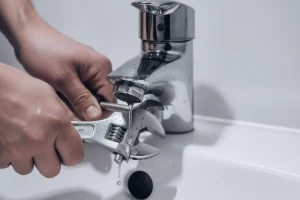 General Plumbing & Consultation
 Geyser Repair
 Glass Cleaning
 Head Massage
.webp) Honeybee & Wasp-Services
Honeybee & Wasp-Services
 Kitchen & Bathroom Painting Service
 Kitchen Cleaning
 Kitchen Fittings
.webp) Kitchen Renovation
Kitchen Renovation
.webp) Laptop/Desktop service
Laptop/Desktop service
 Leak Detection and Repair
 LED TV Repair
 Living and Dining Room Painting
 Makeup, Saree & Styling
 Manicure & Pedicure
 MCB,Meter & Fuse Services
 Microwave Repair
 Mosquito Pest Control Service
 Multi-Room Painting Service
 Painting Consultation
 Quick Mini Cleaning Services
 Refrigerator Repair
 RO Water Purifier
.webp) Rodent Control Services (Rat & Mice Treatment)
Rodent Control Services (Rat & Mice Treatment)
.webp) Rooms Cleaning
Rooms Cleaning
 Shelves & Decor
 Sofa, Carpet & Mattress Cleaning
 Solar Water Heater Service
 Sump & Tank Cleaning
 Switch & Socket Services
 Tap & Mixer Service
.webp) Termite-Control-Services
Termite-Control-Services
 Threading & Face Wax
.webp) Tile & Granite Installation & Polishing
Tile & Granite Installation & Polishing
 Toilet & Commode Services
.webp) UPS and Inverter Repair Services
UPS and Inverter Repair Services
.webp) Wall Painting Service
Wall Painting Service
 Washing Machine Repair
 Water Level Controllers
 Water Tank and Pump Repair
 Waterproofing
 Waterproofing Services
 Waxing
 Window & Curtain Services
 Wooden Door Services