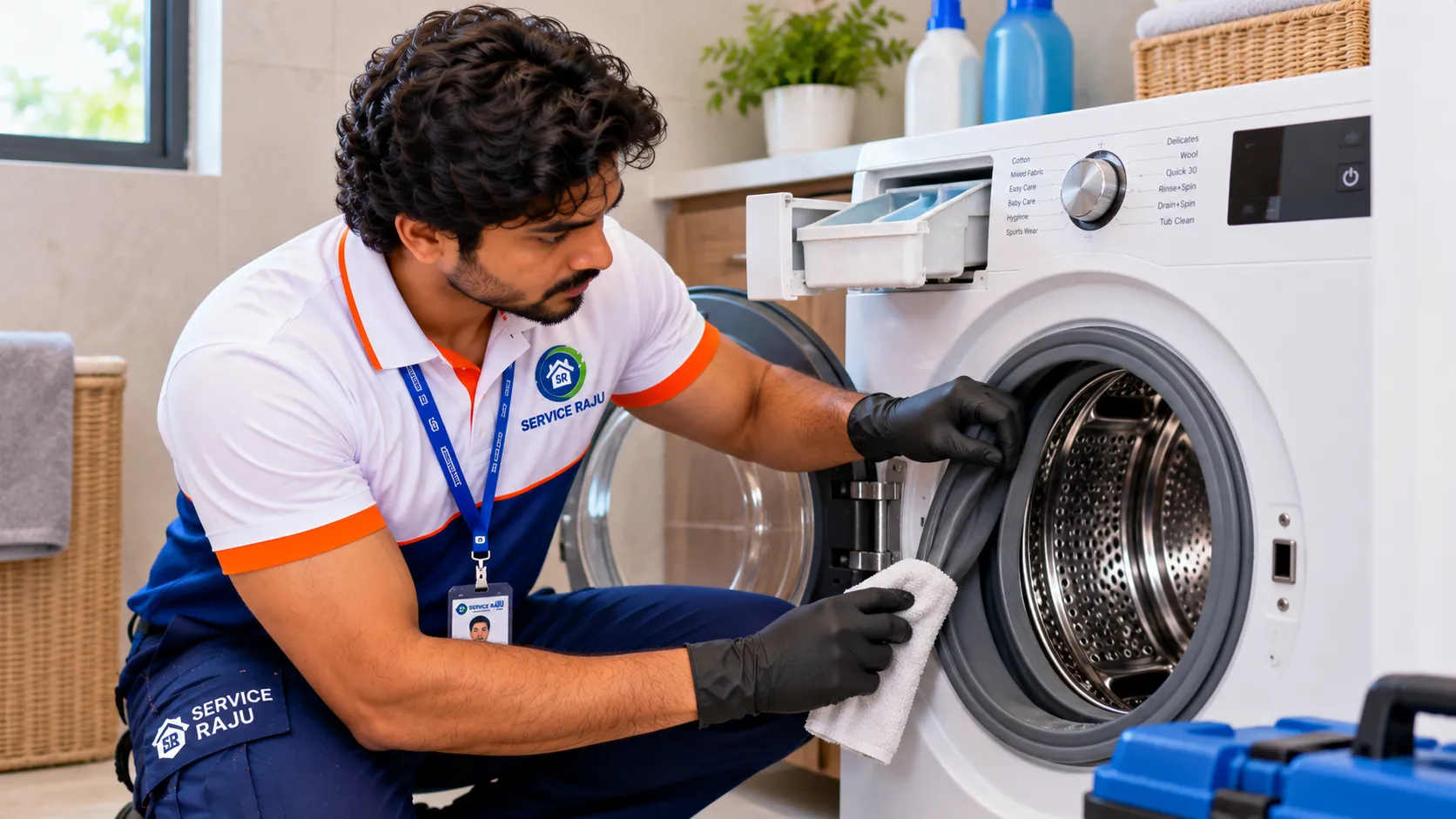
Washing Machine Smells Bad Even After Cleaning? Causes and Solutions
Does your washing machine smell musty even after you have cleaned the drum? Does laundry come out with an unpleasant odour, or does a bad smell return a day or two after a cleaning cycle?
A washing machine smells bad problem does not always mean the appliance needs an expensive repair. Detergent residue, trapped moisture, lint, a dirty door gasket or a drainage issue may be contributing to the smell. The right solution depends on where the odour seems to come from and whether the machine is draining normally.
This guide explains common causes, safe cleaning steps and warning signs that may require professional washing machine repair in Mysore.
Important: Washing machines differ by brand and model. Always follow the user manual for your appliance. Do not dismantle panels, handle wiring or attempt internal repairs yourself.
First, Identify Where the Smell Comes From
Before cleaning anything, notice when the odour appears. This can help narrow down the likely cause.
| When or where you notice it | Possible explanation | What to check first |
|---|---|---|
| Musty smell inside the empty drum | Moisture, residue or buildup inside the washer | Drum-cleaning instructions, dispenser and accessible gasket areas |
| Smell around a front-load door | Moisture or debris caught in the door gasket folds | Visible lint, hair or standing water around the seal |
| Smell near the detergent drawer | Detergent or softener residue in the dispenser | Removable drawer and accessible dispenser compartments |
| Sewage-like smell near the washer or drain | Possible drain, plumbing or installation-related odour | Whether the smell is strongest at the drain opening or hose area |
| Smell remains with laundry after washing | Possible residue, moisture, poor drainage or laundry left in the drum | Whether water drains fully and whether wet laundry is removed promptly |
| Burning or electrical smell | Potential electrical or mechanical fault | Stop using the machine and arrange qualified inspection |
These are clues, not definitive diagnoses. If the smell resembles sewage, comes from the wall drain, or is accompanied by water remaining in the washer, the issue may involve drainage or plumbing rather than just routine drum cleaning.
Common Causes of Washing Machine Odour
1. Too much detergent or fabric softener
Using more detergent than the manufacturer recommends can leave residue in the washer. Some residue may accumulate in the dispenser or around internal surfaces, particularly when the detergent does not dissolve fully.
What to do: Check the detergent instructions and your machine manual. Use the recommended detergent type and amount for the load, water conditions and washer model. Avoid adding extra detergent simply because the clothes seem dirty.
2. Moisture left inside the washer
Closing the door or lid immediately after a wash can limit airflow. Damp laundry left in the drum can also develop an unpleasant smell and make the washer seem musty.
What to do: Remove laundry promptly after the cycle. If your manual permits, leave the door or lid ajar between washes so the interior can dry. Do not leave it open if this creates a safety risk for children or pets.
3. Residue or debris in the door gasket
Front-load washers have a rubber door seal or gasket. Its folds may collect lint, hair, small objects, moisture or detergent residue. A neglected gasket can contribute to an odour.
What to do: With the machine switched off, inspect the accessible gasket folds. Remove loose debris and wipe the area using the cleaning method recommended in your manual. Do not pull, stretch or remove the seal.
4. Dirty detergent dispenser
Detergent and fabric softener can leave deposits in a drawer or dispenser. If the dispenser is designed to be removable, cleaning it according to the manual may help remove visible residue.
What to do: Remove the drawer only if the user manual explains how. Clean accessible compartments using the approved method, rinse if instructed, and dry before reinstalling.
5. A clogged or dirty drain-pump filter
Some washing machines have a user-accessible drain-pump filter that catches lint and small objects. If the filter becomes obstructed, drainage may be affected and water may remain in the machine. Not every washer has the same filter design or location.
What to do: Consult your model's manual before attempting filter maintenance. If it describes a user-cleanable filter, follow the stated procedure and precautions. Some machines can release residual water when the filter is opened. If you cannot locate the filter, the cap is stuck, or you are unsure how to drain the water safely, ask a technician.
6. A drainage or plumbing odour
A sewage-like smell may be coming from the drain or plumbing connected to the washer rather than from the drum itself. Incorrect hose placement, a drainage problem or an odour at the plumbing connection may need inspection.
What to do: Check the installation guidance supplied with your washer and look for obvious signs such as slow draining or water backing up. Do not reposition hoses or alter plumbing unless you understand the installation requirements. A technician or plumber can assess the connection.
Safe Cleaning Steps to Try at Home
Try these steps in order. Stop if you encounter a leak, an unusual noise, a damaged component or a task that requires dismantling the appliance.
Step 1: Empty the washer and check the manual
Remove all clothing. Find the cleaning and maintenance section of the user manual for your exact model. Look for a Tub Clean, Drum Clean or equivalent cycle and the manufacturer's recommended cleaner.
Step 2: Run the washer's cleaning cycle if available
If your washer has a dedicated cleaning cycle, use it as directed by the manufacturer. Add only the cleaner and quantity specified for your model. Do not add laundry or combine cleaning products unless the manual explicitly instructs you to do so.
Some manufacturers recommend periodic tub cleaning. The appropriate interval and cleaning product vary by model and usage. Follow your washer's instructions rather than assuming that one universal schedule suits every machine.
Step 3: Wipe accessible surfaces
After the cycle is complete, switch the appliance off. Wipe accessible drum surfaces, the door glass and the door gasket with a soft cloth, following the manual's guidance. Pay attention to visible lint or residue, but do not use sharp tools or abrasive pads.
Step 4: Clean the dispenser if the manual permits
If the detergent drawer is designed to be removed by the user, clean it as instructed. Make sure it is dry and correctly reinstalled. Avoid forcing a drawer or reaching into inaccessible dispenser channels.
Step 5: Check any user-maintenance filter only if instructed
Some models provide filter-cleaning instructions for the owner; others have different designs. Read the relevant section first and follow its safety steps. If opening the filter may release water and you do not know how to manage it, leave this task to a technician.
Step 6: Let the washer dry
Remove wet laundry promptly. If permitted by the manufacturer, leave the door or lid slightly open to allow airflow. Keep the appliance's electrical components dry and do not spray cleaner into control panels or openings.
Safety reminder: Do not mix cleaning chemicals
Never mix chlorine bleach with vinegar, acids, ammonia or other cleaning products. Mixing chemicals can release dangerous gases. Use only a washer-approved cleaning product according to its label and your appliance manual. If a product causes irritation or a strong chemical smell, stop, move to fresh air and follow the product's safety instructions.
Front-Load vs Top-Load: What to Check
| Washer type | Accessible areas to inspect | Important caution |
|---|---|---|
| Front-load | Door gasket folds, door glass, detergent drawer and any user-accessible filter described in the manual | Do not pull or remove the gasket; avoid trapping objects in its folds |
| Top-load | Lid area, detergent or softener dispenser, tub-clean cycle and user-accessible lint filter if fitted | Filter locations and cleaning instructions vary; do not reach under or dismantle the agitator unless the manual specifically directs the owner to do so |
| Semi-automatic | Wash tub, accessible lint filter and drain area as described in the manual | Follow the manufacturer's instructions for draining and cleaning each tub |
For brand-specific instructions, consult the documentation for your exact model. For example, LG's support guidance discusses detergent residue, gasket debris, drain-pump filter maintenance and the Tub Clean cycle as possible odour-related checks. See LG India’s washing-machine odour guidance.
When to Call a Washing Machine Technician
Routine cleaning may resolve an odour caused by accessible residue or moisture. Professional inspection is sensible when the smell persists, returns quickly or appears alongside another symptom.
- The odour remains after following the model's cleaning instructions: The cause may be in an area that routine owner cleaning cannot reach.
- Water remains in the drum: Drainage may not be working properly.
- The washer drains slowly or repeatedly displays a drain-related error: A blockage, pump issue or installation problem may need assessment.
- There is a leak around the washer: Stop the cycle and arrange inspection.
- The smell seems to come from the drain connection: The plumbing or installation may need checking.
- You notice unusual grinding, repeated humming or other abnormal sounds: Do not keep running the machine to test it.
- You notice a burning or electrical smell: Stop using the washer. If safe, disconnect power without touching wet areas, and seek qualified service.
A technician can inspect the symptoms and determine whether the issue involves accessible maintenance, drainage, a component fault or the plumbing connection. Ask for an explanation and quotation before approving repair work.
How to Prevent the Smell from Returning
- Use the detergent type and amount recommended for your washer and load.
- Remove laundry promptly when the cycle finishes.
- Allow the drum to dry between washes if the manual permits leaving the door or lid ajar.
- Wipe accessible moisture and residue from the door gasket and door area.
- Clean the dispenser and user-accessible filter according to the manual.
- Use the dedicated tub-cleaning cycle and suitable cleaner at the interval specified by the manufacturer.
- Do not overload the washer or use cleaning chemicals that are not approved for it.
- Pay attention to recurring odour, slow drainage or water left in the drum rather than repeatedly masking the smell.
Washing Machine Repair in Mysore: Service Raju
If your washing machine still smells bad after you have followed the manufacturer's cleaning instructions, or if the odour is accompanied by drainage trouble, leakage, unusual sounds or an electrical smell, arrange a professional assessment.
Service Raju provides home-appliance service enquiries in Mysuru. When contacting the team, share:
- Washer brand and model, if available
- Whether it is front-load, top-load or semi-automatic
- Where the smell seems strongest
- Whether water drains completely
- Any error code, leak or unusual sound
- What cleaning steps you have already tried
This information can help the team understand the problem before arranging service. Confirm technician availability, the inspection scope and any applicable charges before booking.
Need help with a persistent washing-machine smell? Enquire about washing machine repair in Mysore.
View Service Raju Washing Machine Repair
Call: +91 9964544445
Call: +91 9620550955
Website: www.serviceraju.com
Frequently Asked Questions
1. Why does my washing machine smell bad even after cleaning?
The smell may be coming from residue or moisture in an area that was not cleaned, a dispenser or gasket that still has buildup, or a drainage or plumbing issue. Follow your model's cleaning instructions and seek inspection if the odour persists.
2. Can too much detergent cause a musty smell?
Yes. Excess detergent may leave residue inside the washer. Use the recommended detergent type and amount for your machine and load.
3. How do I clean a washing machine drum?
Check your washer manual for its dedicated Tub Clean or Drum Clean procedure and approved cleaner. Run the cycle with an empty drum as instructed. Avoid improvised chemical mixtures.
4. Should I leave the washing machine door open after a wash?
If the manufacturer permits it and it is safe in your home, leaving the door or lid ajar can help the interior dry. Keep children and pets safe and do not leave the appliance open if it creates a hazard.
5. Is a sewage-like smell a washing-machine repair problem?
Not necessarily. The odour may originate from the drain or plumbing connection. If the smell is strongest near the drain, or the washer drains poorly, arrange an assessment of the installation and drainage.
6. When should I call a washing machine repair service?
Call for inspection if the smell continues after manufacturer-recommended cleaning, water remains in the drum, drainage is slow, the washer leaks, or you notice unusual noises or a burning smell. Stop using the appliance if you suspect an electrical fault.
7. Can Service Raju help with washing machine odour problems in Mysore?
You can contact Service Raju to enquire about washing machine repair in Mysore. Share the brand, model, odour description and any other symptoms so the team can confirm whether a service visit is appropriate.
Conclusion
A washing machine that smells bad may need better drying habits, removal of detergent residue or cleaning of an accessible maintenance area. Start with your model's official instructions, avoid unsafe chemical combinations and do not dismantle the appliance.
If the odour persists after proper cleaning—or appears with poor drainage, leaks, unusual sounds or an electrical smell—professional inspection can help identify the underlying cause.
Service Raju — Trusted Home Services in Mysuru, Udupi, Mangaluru & Indore.
Enquire about washing machine repair or visit serviceraju.com.
 AC Repair
.webp) Ant Control Service
Ant Control Service
 Basin & Sink Services
.webp) Bath & Shower Services
Bath & Shower Services
.webp) Bath Fittings & Mirrors
Bath Fittings & Mirrors
 Bathroom Cleaning Service
 Bathroom Renovation Services
 Bed Bug Control Services
 Bedroom Painting
 Book a Carpenter Consultation
 Book Electrical Consulting
.webp) Cabinet Painting & Wood Refinishing
Cabinet Painting & Wood Refinishing
 Chimney Cleaning
 Civil Masonry Work
 Clean-Up Services
.webp) Clothes Hanger Installation
Clothes Hanger Installation
 Cockroach Control Services
---mysore-mysore-standard-300x200.webp) Commercial Cleaning
Commercial Cleaning
 Commercial Pest Control AMC Service
 Cupboard & Drawer Services
 Decorative Wall Panels
 Deep Sanitisation Service
 Detan & Bleach
 Door, Grill & Cabinet Painting Service
.webp) Doorbell & security
Doorbell & security
 Drain Blockage Clearing
 Electrical Appliance Services
 Electrical Wiring Services
 Empty Home Deep Cleaning
.webp) Fabrication
Fabrication
 Facials
.webp) Fan Installation & Repair
Fan Installation & Repair
 Full Home Cleaning Service
 Full Home Renovation
 Furniture Repair Service
 Gas Stove & Hob Repair
.webp) General Pest Control Services
General Pest Control Services
 General Plumbing & Consultation
 Geyser Repair
 Glass Cleaning
 Head Massage
.webp) Honeybee & Wasp-Services
Honeybee & Wasp-Services
 Kitchen & Bathroom Painting Service
 Kitchen Cleaning
 Kitchen Fittings
.webp) Kitchen Renovation
Kitchen Renovation
.webp) Laptop/Desktop service
Laptop/Desktop service
 Leak Detection and Repair
 LED TV Repair
 Living and Dining Room Painting
 Makeup, Saree & Styling
 Manicure & Pedicure
 MCB,Meter & Fuse Services
 Microwave Repair
 Mosquito Pest Control Service
 Multi-Room Painting Service
 Painting Consultation
 Quick Mini Cleaning Services
 Refrigerator Repair
 RO Water Purifier
.webp) Rodent Control Services (Rat & Mice Treatment)
Rodent Control Services (Rat & Mice Treatment)
.webp) Rooms Cleaning
Rooms Cleaning
 Shelves & Decor
 Sofa, Carpet & Mattress Cleaning
 Solar Water Heater Service
 Sump & Tank Cleaning
 Switch & Socket Services
 Tap & Mixer Service
.webp) Termite-Control-Services
Termite-Control-Services
 Threading & Face Wax
.webp) Tile & Granite Installation & Polishing
Tile & Granite Installation & Polishing
 Toilet & Commode Services
.webp) UPS and Inverter Repair Services
UPS and Inverter Repair Services
.webp) Wall Painting Service
Wall Painting Service
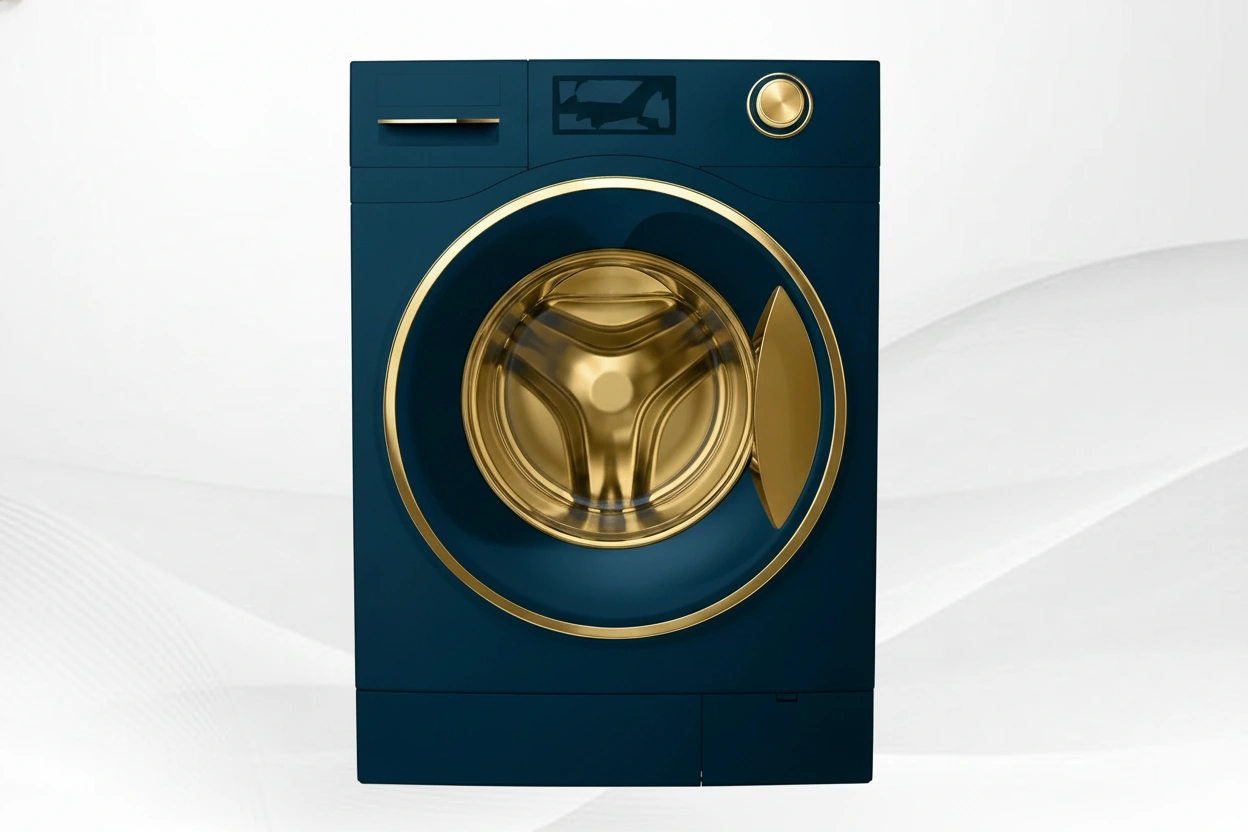 Washing Machine Repair
 Water Level Controllers
 Water Tank and Pump Repair
 Waterproofing
 Waterproofing Services
 Waxing
 Window & Curtain Services
 Wooden Door Services