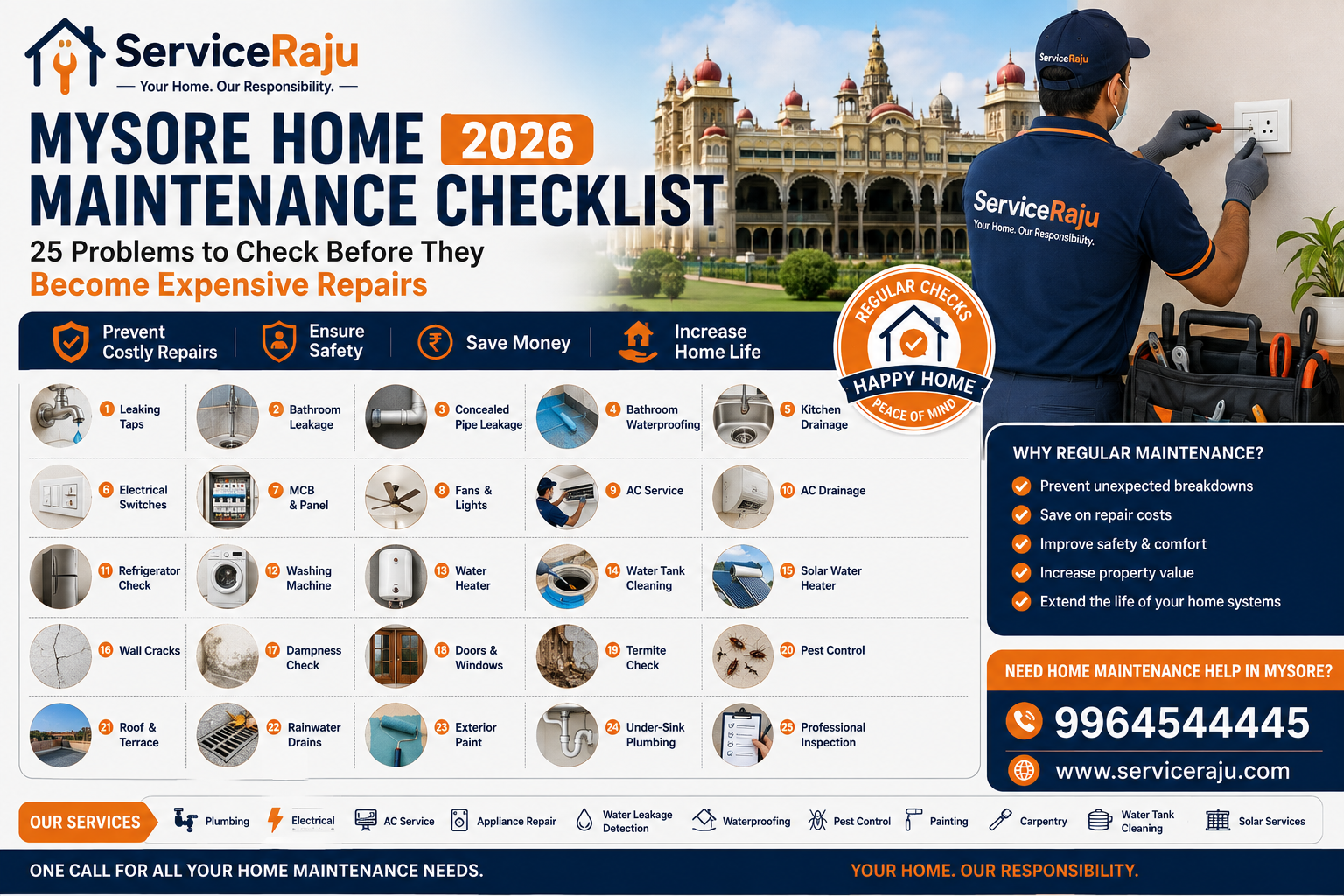
Mysore Home Maintenance Checklist 2026: 25 Problems to Check Before They Become Expensive Repairs
1. Mysore Home Maintenance Checklist 2026: 25 Problems to Check Before They Become Expensive Repairs
Last Updated: September 2026
Your home rarely develops a major problem overnight.
A small tap leak can slowly damage cabinets. A blocked bathroom drain can lead to bad odour and water overflow. A loose electrical connection can become a serious safety concern. Small cracks on an exterior wall can allow moisture to enter during the monsoon. An AC that is not cleaned regularly can consume more electricity and perform poorly.
That is why a simple home maintenance checklist can save Mysore homeowners from unexpected repair costs.
Whether you live in an apartment, independent house, villa, rental property or newly constructed home, regular inspection helps identify problems before they become expensive repairs.
In this guide, Service Raju has created a practical Mysore Home Maintenance Checklist for 2026 covering plumbing, electrical systems, AC, appliances, bathrooms, kitchens, pest control, waterproofing, painting and other important areas of your home.
2. Mysore Home Maintenance Checklist: 25 Problems to Check
3. 1. Check for Hidden Water Leakage
Water leakage is one of the most common home maintenance problems.
Look for:
- Damp patches on walls
- Peeling paint
- Water stains on ceilings
- Swollen wooden cabinets
- Musty smell
- Wet bathroom walls
- Moisture around pipes
- Unexpected increase in water usage
A concealed plumbing leak can continue for weeks without being visible.
If you notice unexplained dampness, arrange a professional water leakage inspection before breaking tiles or walls unnecessarily.
4. 2. Inspect Bathroom Floor and Wall Joints
Bathroom tile joints and floor-wall junctions are exposed to water every day.
Check for:
- Cracked grout
- Missing grout
- Loose tiles
- Blackened joints
- Dampness outside the bathroom
- Water appearing in adjacent rooms
Damaged joints can allow moisture to penetrate beneath tiles and into surrounding structures.
Early repair can be much cheaper than dealing with extensive waterproofing damage later.
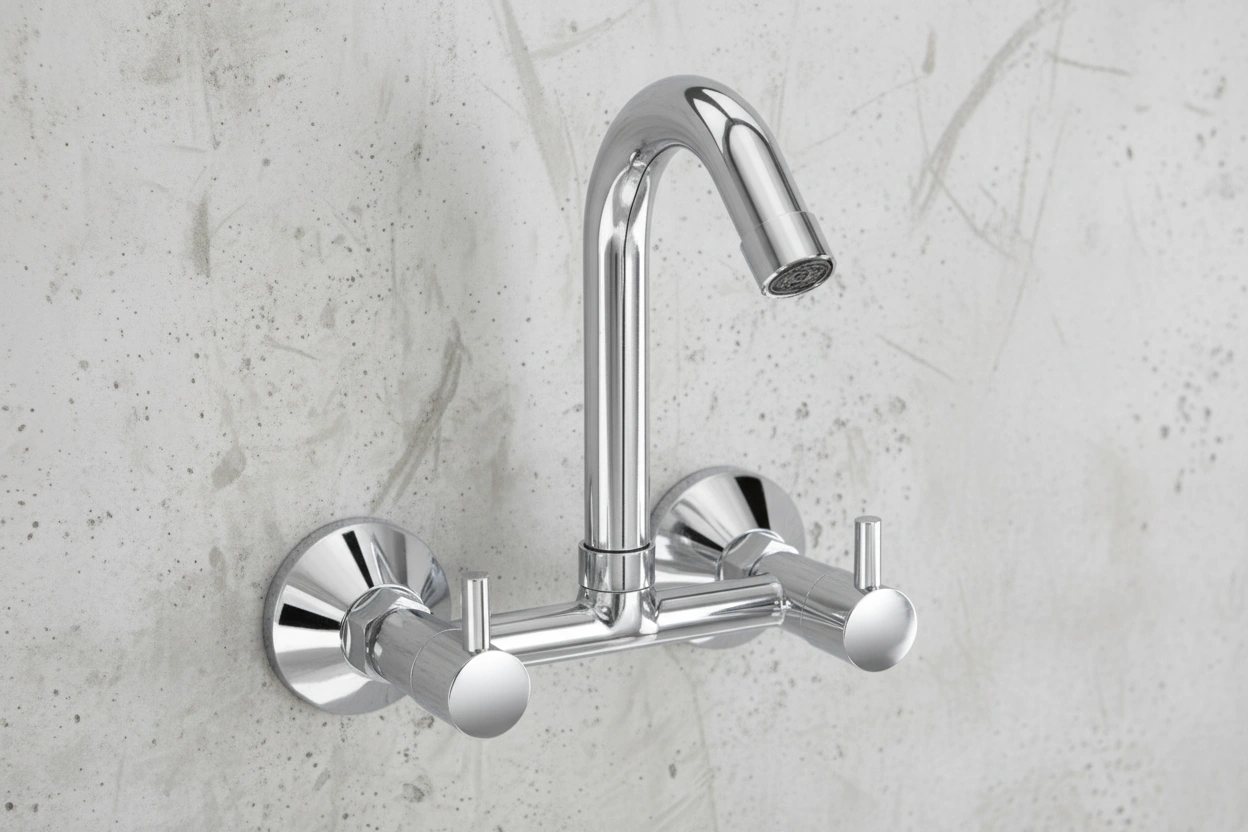
5. 3. Check Taps, Mixers and Shower Fittings
A dripping tap may look like a minor problem, but continuous leakage wastes water and can damage fittings and surrounding surfaces.
Inspect:
- Kitchen taps
- Wash basin taps
- Shower mixers
- Health faucets
- Stop valves
- Angle valves
- Flexible connections
Replace worn-out washers, cartridges, hoses or damaged fittings when necessary.
6. 4. Clean Bathroom Drains Before They Become Blocked
Slow drainage is an early warning sign.
Common causes include:
- Hair accumulation
- Soap residue
- Dirt
- Grease
- Foreign objects
- Internal pipe blockage
Do not wait until the bathroom starts flooding.
Regular drain cleaning and professional plumbing and drainage service can help prevent emergency blockages.
7. 5. Inspect Toilet and Flush Tank
Check whether your toilet:
- Keeps running after flushing
- Has weak flushing
- Leaks around the base
- Has a faulty flush button
- Has a damaged flush valve
- Develops water leakage from the tank
A continuously running flush tank can waste a significant amount of water over time.
8. 6. Check Your Water Tank
Overhead tanks and underground water storage tanks should be inspected regularly.
Look for:
- Dirt and sediment
- Algae
- Cracks
- Overflow problems
- Damaged covers
- Mosquito breeding
- Leakage around connections
Regular water tank cleaning improves hygiene and helps prevent contamination.
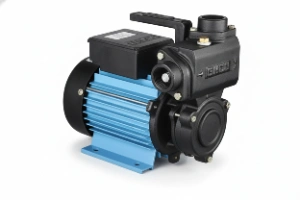
9. 7. Inspect Water Pump and Motor
A weak or noisy water pump should not be ignored.
Check for:
- Unusual noise
- Excessive vibration
- Reduced water pressure
- Motor overheating
- Frequent tripping
- Water leakage near the pump
- Difficulty starting
Early diagnosis can sometimes prevent complete pump failure.
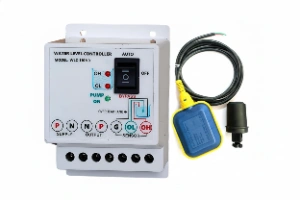
10. 8. Check for Water Tank Overflow
A faulty float valve or water-level controller can cause continuous overflow.
This can result in:
- Water wastage
- Damp walls
- Roof moisture
- Slippery surfaces
- Higher water bills
If your tank frequently overflows, inspect the water level controller, float valve and pump control system.
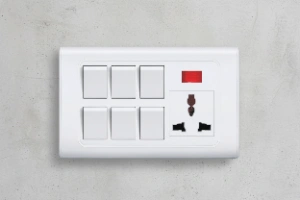
11. 9. Inspect Electrical Switches and Sockets
Never ignore:
- Sparking switches
- Burning smell
- Hot sockets
- Loose switches
- Black marks
- Buzzing sounds
- Repeated tripping
These can indicate electrical problems requiring professional inspection.
Avoid DIY electrical repairs if you are not qualified.
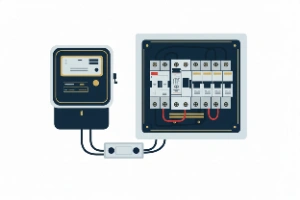
12. 10. Check MCB, RCCB/ELCB and Earthing
Your home's electrical protection system deserves regular attention.
A professional electrical inspection can check:
- MCB condition
- RCCB/ELCB operation
- Earthing
- Loose connections
- Distribution board condition
- Overloaded circuits
- Wiring issues
If breakers trip repeatedly, don't simply keep resetting them. Find the reason behind the trip.
13. 11. Inspect Old or Loose Wiring
Older homes may have aging wiring, unauthorized modifications or overloaded circuits.
Warning signs include:
- Flickering lights
- Burning smell
- Frequent fuse failure
- Hot electrical boards
- Loose wires
- Repeated MCB trips
- Discoloured sockets
Professional electrical consulting and wiring inspection can help identify potential problems before they become serious.
14. 12. Service Your AC Before Performance Drops
Your AC should not be maintained only when it stops working.
Check for:
- Reduced cooling
- Water dripping from indoor unit
- Unusual noise
- Bad smell
- Poor airflow
- Ice formation
- Higher electricity consumption
Depending on usage and indoor conditions, regular AC cleaning and servicing can help maintain cooling performance.
For heavily used ACs, deeper cleaning may be required when the indoor coil, blower or other components become heavily contaminated.
15. 13. Check Refrigerator Cooling and Water Leakage
If your refrigerator is not cooling properly or water is collecting inside or underneath it, don't ignore the issue.
Possible areas to inspect include:
- Drain system
- Door gasket
- Defrost system
- Temperature settings
- Drain tray
- Cooling system
- Levelling
A refrigerator problem identified early may be easier and less expensive to repair.
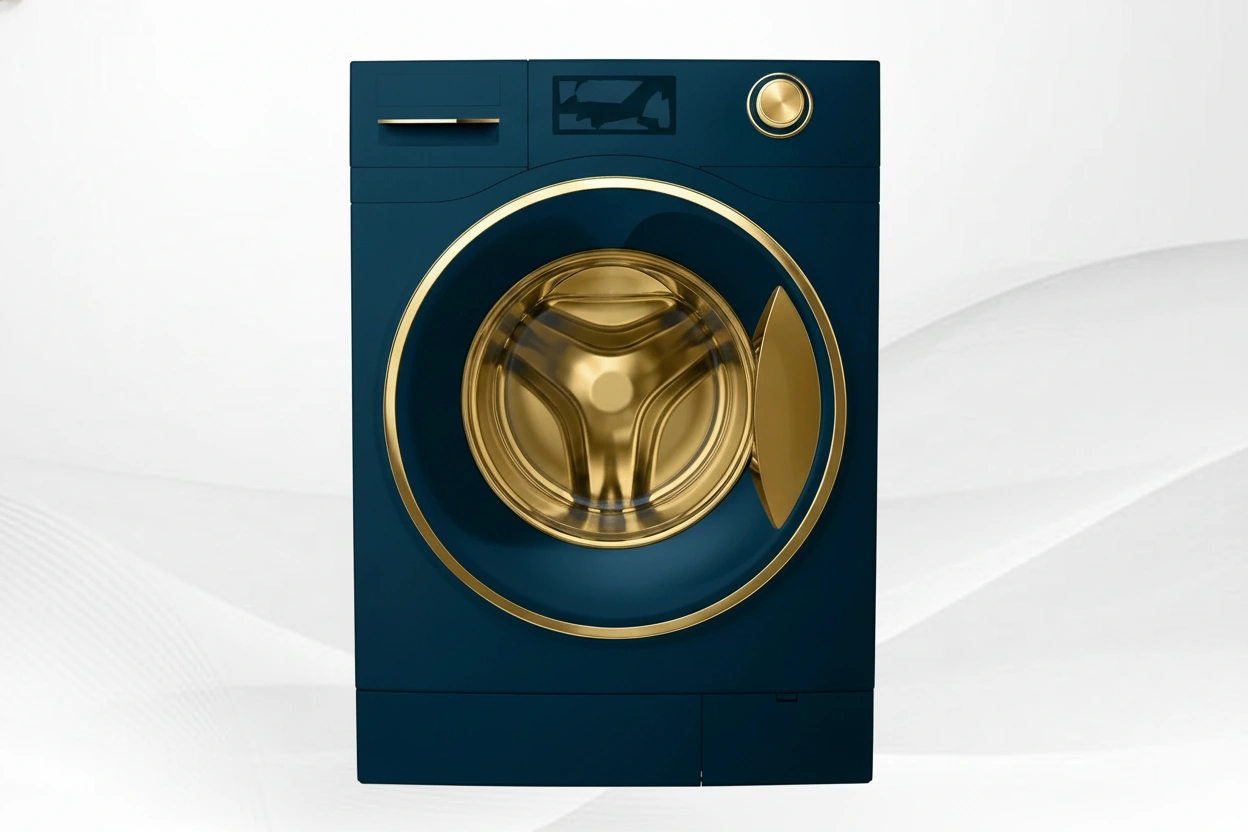
16. 14. Maintain Your Washing Machine
Common warning signs include:
- Excessive vibration
- Unusual noise
- Water leakage
- Poor spinning
- Drainage problems
- Door locking problems
- Clothes remaining too wet
Check hoses, inlet connections and drainage regularly.
If the machine is making unusual noises or vibrating excessively, arrange an inspection instead of continuing to operate it without diagnosis.
17. 15. Clean and Inspect Your Geyser
A geyser should be inspected periodically, especially in areas with hard water.
Check for:
- Slow heating
- No hot water
- Water leakage
- Unusual sounds
- Tripping
- Temperature problems
- Corrosion around connections
Periodic servicing may include inspection and descaling where appropriate.
Electrical geysers should also have properly functioning electrical protection and earthing.
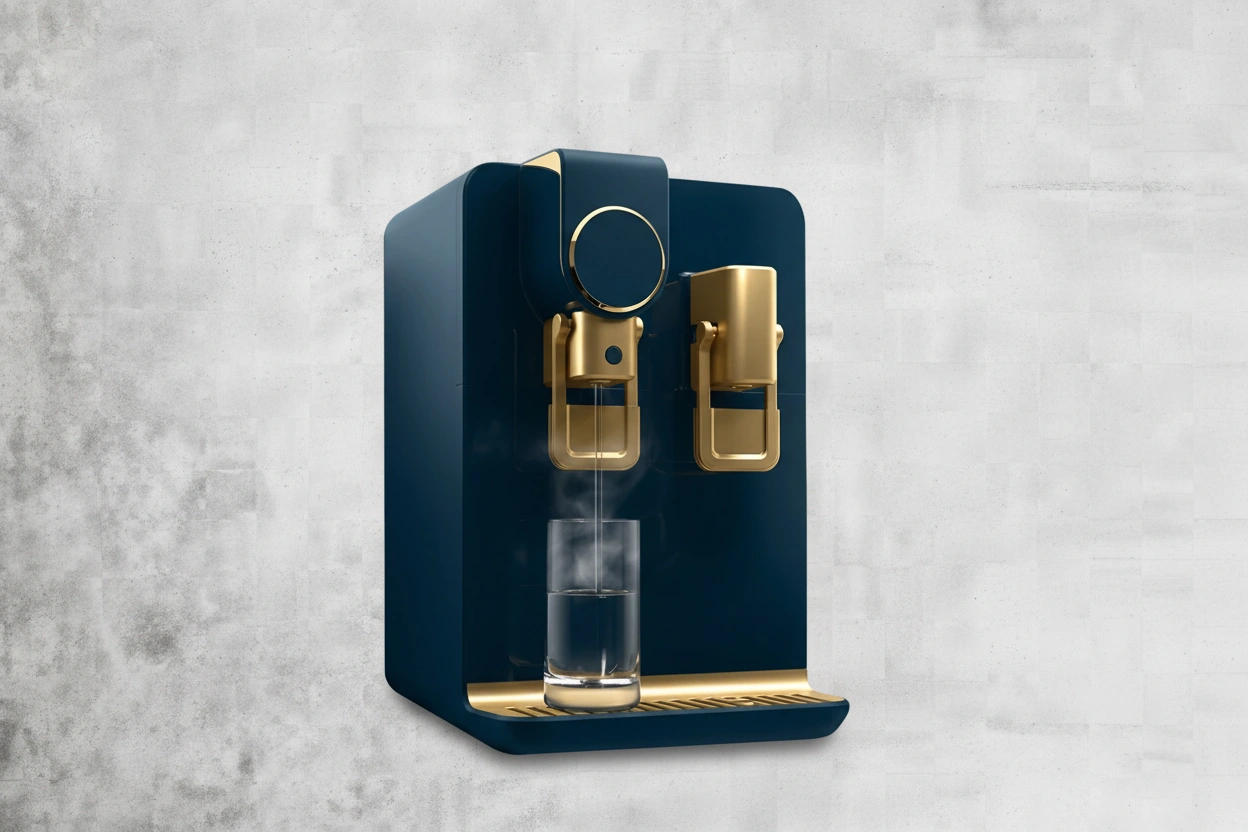
18. 16. Maintain Your RO Water Purifier
RO systems require regular filter and membrane maintenance.
Check:
- Water taste
- Water flow
- Filter condition
- Leakage
- Purification performance
- Storage tank hygiene
- Unusual noise
Do not wait until the water quality changes significantly before checking the purifier.
19. 17. Inspect Kitchen Chimney and Hob
Kitchen grease can accumulate inside chimney filters and surrounding components.
Check:
- Filter condition
- Suction performance
- Grease buildup
- Unusual noise
- Oil leakage
- Hob burners
- Gas connections
Regular chimney cleaning can help maintain airflow and reduce grease accumulation.
For gas appliances, any suspected gas leakage should be treated as an urgent safety issue.
20. 18. Look for Termite Activity
Termites can cause expensive damage before homeowners notice them.
Look for:
- Mud tubes
- Hollow-sounding wood
- Damaged wooden frames
- Small holes
- Peeling laminate
- Swollen wooden surfaces
- Termite wings or discarded wings
Inspect areas around:
- Door frames
- Wooden cupboards
- Kitchen cabinets
- Flooring
- Wall edges
- Storage areas
If you see signs of termite activity, professional inspection is recommended.
21. 19. Check for Cockroaches and Other Pest Activity
Pest problems can grow quickly if ignored.
Check kitchens, bathrooms and storage areas for:
- Cockroach droppings
- Egg cases
- Live insects
- Unusual odour
- Gnaw marks
- Pest activity at night
Depending on the pest and infestation level, professional treatment may involve targeted gel baiting, spraying, monitoring and sanitation recommendations.
22. 20. Inspect for Rodents
Rodents can damage:
- Electrical cables
- Plumbing insulation
- Kitchen cabinets
- Food storage
- False ceilings
- Stored materials
Look for droppings, gnaw marks, scratching sounds and damaged packaging.
Rodent control works best when treatment is combined with identifying and closing possible entry points.
23. 21. Check Exterior Walls for Cracks and Dampness
Mysore's rainy periods can expose weaknesses in exterior walls.
Inspect:
- Hairline cracks
- Larger cracks
- Peeling exterior paint
- Damp patches
- Algae growth
- Water stains
- Damaged plaster
- Window edges
- Balcony walls
Small cracks should be assessed before repainting.
Simply applying another coat of paint over an active moisture problem may only hide the symptom temporarily.
24. 22. Inspect Terrace and Roof Waterproofing
Your terrace is one of the most important areas to inspect before and during the rainy season.
Check for:
- Standing water
- Cracks
- Damaged waterproofing
- Blocked outlets
- Loose tiles
- Damp ceilings below
- Watermarks
- Failed joints
Roof waterproofing should address the actual source of water entry rather than simply covering visible stains.
25. 23. Check Doors, Windows and Wooden Furniture
Moisture can affect wooden components over time.
Inspect:
- Swollen doors
- Difficult-to-open windows
- Loose hinges
- Damaged locks
- Termite activity
- Peeling polish
- Water-damaged cabinets
Early carpentry repairs can prevent a small hardware problem from becoming a complete replacement.
26. 24. Inspect Bathroom and Kitchen Tiles
Loose or cracked tiles can allow moisture to reach underlying surfaces.
Check for:
- Hollow-sounding tiles
- Cracks
- Loose tiles
- Broken grout
- Uneven surfaces
- Water seepage
- Damaged silicone joints
Depending on the condition, repairs may involve regrouting, tile replacement, joint repair or waterproofing.
27. 25. Keep a Home Maintenance Record
This is one of the simplest and most useful maintenance habits.
Maintain a record of:
- AC service dates
- Geyser servicing
- RO filter replacement
- Washing machine repairs
- Refrigerator repairs
- Plumbing work
- Electrical work
- Pest control treatments
- Waterproofing
- Painting
- Tank cleaning
- Appliance warranties
- Replacement parts
- Technician visits
A maintenance record helps you understand recurring problems and plan future expenses.
28. Monthly Home Maintenance Checklist
A quick monthly inspection can include:
☐ Check taps and visible plumbing leaks ☐ Check bathroom drains ☐ Inspect toilet and flush tank ☐ Look for damp patches ☐ Check electrical switches and sockets ☐ Check AC performance ☐ Check refrigerator operation ☐ Check washing machine hoses ☐ Check kitchen chimney performance ☐ Look for cockroach or rodent activity ☐ Check water tank overflow ☐ Inspect doors and windows
These checks take only a small amount of time but can prevent many avoidable problems.
29. Every 3–6 Months
Depending on the property and usage, consider checking:
- AC cleaning/service
- Water pump
- Geyser condition
- RO purifier
- Electrical protection systems
- Plumbing connections
- Kitchen chimney
- Pest activity
- Bathroom grout
- Roof drainage
- Exterior wall condition
30. Every 6–12 Months
A more detailed home inspection can include:
- Electrical wiring inspection
- MCB/RCCB/earthing inspection
- Water tank cleaning
- Waterproofing inspection
- Termite inspection
- Plumbing inspection
- Major appliance servicing
- Exterior wall inspection
- Roof and terrace inspection
- Carpentry condition
- Bathroom and kitchen condition
Homes exposed to heavy rain, moisture, hard water, frequent appliance usage or pest activity may require more frequent checks.
31. 10 Warning Signs You Should Never Ignore
Call a professional when you notice:
- Water stains appearing on the ceiling
- Sudden dampness on a wall
- Repeated electrical tripping
- Burning smell from a switchboard
- AC leaking water indoors
- Refrigerator leaking water
- Geyser repeatedly tripping
- Termite mud tubes or damaged wood
- Major cracks or recurring wall dampness
- Water pump repeatedly failing or overheating
Waiting until a small problem becomes an emergency can increase both repair time and cost.
32. Why Preventive Home Maintenance Is Important in Mysore
Mysore homes experience a combination of seasonal rainfall, humidity, dust, hard-water-related issues and regular appliance usage.
These conditions can gradually affect:
- Plumbing
- Waterproofing
- Electrical systems
- Paint
- Wooden furniture
- Bathrooms
- Kitchens
- Appliances
- Water tanks
- Pest control
Preventive maintenance does not mean repairing everything unnecessarily.
It means finding genuine problems early and fixing them before they cause secondary damage.
33. One Inspection Can Reveal Multiple Problems
Homeowners often call a technician for one visible problem, while the actual cause may be somewhere else.
For example:
Ceiling dampness → possible plumbing/waterproofing issue
Low water pressure → possible pipe/pump problem
AC water leakage → possible drainage or service issue
Electrical tripping → possible overload, wiring or appliance issue
Damaged cabinet → possible moisture or termite problem
That is why proper inspection and diagnosis should come before unnecessary repair work.
34. Service Raju: Complete Home Services in Mysore
Managing different technicians for every home problem can be inconvenient.
Service Raju provides a wide range of home services in Mysore, including:
- Plumbing Services
- Electrical Services
- AC Repair & Service
- Washing Machine Repair
- Refrigerator Repair
- Geyser Repair
- RO Water Purifier Service
- Water Leakage Detection & Repair
- Waterproofing
- Water Tank Cleaning
- Water Pump & Tank Services
- Bathroom Cleaning
- Kitchen Deep Cleaning
- Home Deep Cleaning
- Pest Control
- Termite Control
- Cockroach Control
- Rodent Control
- Mosquito Control
- Carpentry Services
- Furniture Assembly
- Painting
- Wall Painting
- Bathroom Renovation
- Kitchen Renovation
- Tile & Granite Work
- Civil & Masonry Work
- Renovation & Fabrication
- TV Wall Mounting
- Electrical Installation
- Switch & Socket Repair
- MCB, Meter & Fuse Services
- Chimney Cleaning
- Gas Stove & Hob Repair
- Door & Window Repairs
- Shelves & Storage Installation
- Safety Net Installation
- And many other home maintenance services.
Instead of waiting for a small issue to become an emergency, schedule the right inspection or repair at the earliest opportunity.
35. When Should You Call a Professional?
You should consider professional help when:
- You cannot identify the source of a leak
- Dampness keeps returning
- Electrical breakers repeatedly trip
- An appliance stops working properly
- Termites are visible
- Pest activity is increasing
- Waterproofing has failed
- A water pump is malfunctioning
- Plumbing blockage keeps returning
- Bathroom or kitchen damage is spreading
- You are unsure whether a repair or replacement is required
A professional diagnosis can help determine what actually needs to be repaired instead of replacing parts unnecessarily.
36. Final Mysore Home Maintenance Checklist
Before you finish your home maintenance inspection, check these 25 areas:
1. Hidden water leaks 2. Bathroom joints 3. Taps and mixers 4. Drains 5. Toilet and flush tank 6. Water tank 7. Water pump 8. Tank overflow 9. Electrical switches and sockets 10. MCB/RCCB/earthing 11. Electrical wiring 12. AC 13. Refrigerator 14. Washing machine 15. Geyser 16. RO purifier 17. Kitchen chimney and hob 18. Termites 19. Cockroaches and pests 20. Rodents 21. Exterior walls 22. Terrace and roof waterproofing 23. Doors and wooden furniture 24. Tiles and grout 25. Home maintenance records
37. Need Home Repair or Maintenance Service in Mysore?
Don't wait until a small home problem becomes an expensive repair.
Service Raju provides professional home maintenance, repair, cleaning, inspection and renovation services across Mysore.
???? Call Service Raju: 9964544445 / 9620550955 ???? Website: www.serviceraju.com ???? Service Area: All Areas of Mysore / Mysuru
From small repairs to complete home maintenance — Service Raju helps keep your Mysore home safe, functional and well maintained.
 AC Repair
.webp) Ant Control Service
Ant Control Service
 Basin & Sink Services
.webp) Bath & Shower Services
Bath & Shower Services
.webp) Bath Fittings & Mirrors
Bath Fittings & Mirrors
 Bathroom Cleaning Service
 Bathroom Renovation Services
 Bed Bug Control Services
 Bedroom Painting
 Book a Carpenter Consultation
 Book Electrical Consulting
.webp) Cabinet Painting & Wood Refinishing
Cabinet Painting & Wood Refinishing
 Chimney Cleaning
 Civil Masonry Work
 Clean-Up Services
.webp) Clothes Hanger Installation
Clothes Hanger Installation
 Cockroach Control Services
---mysore-mysore-standard-300x200.webp) Commercial Cleaning
Commercial Cleaning
 Commercial Pest Control AMC Service
 Cupboard & Drawer Services
 Decorative Wall Panels
 Deep Sanitisation Service
 Detan & Bleach
 Door, Grill & Cabinet Painting Service
.webp) Doorbell & security
Doorbell & security
 Drain Blockage Clearing
 Electrical Appliance Services
 Electrical Wiring Services
 Empty Home Deep Cleaning
.webp) Fabrication
Fabrication
 Facials
.webp) Fan Installation & Repair
Fan Installation & Repair
 Full Home Cleaning Service
 Full Home Renovation
 Furniture Repair Service
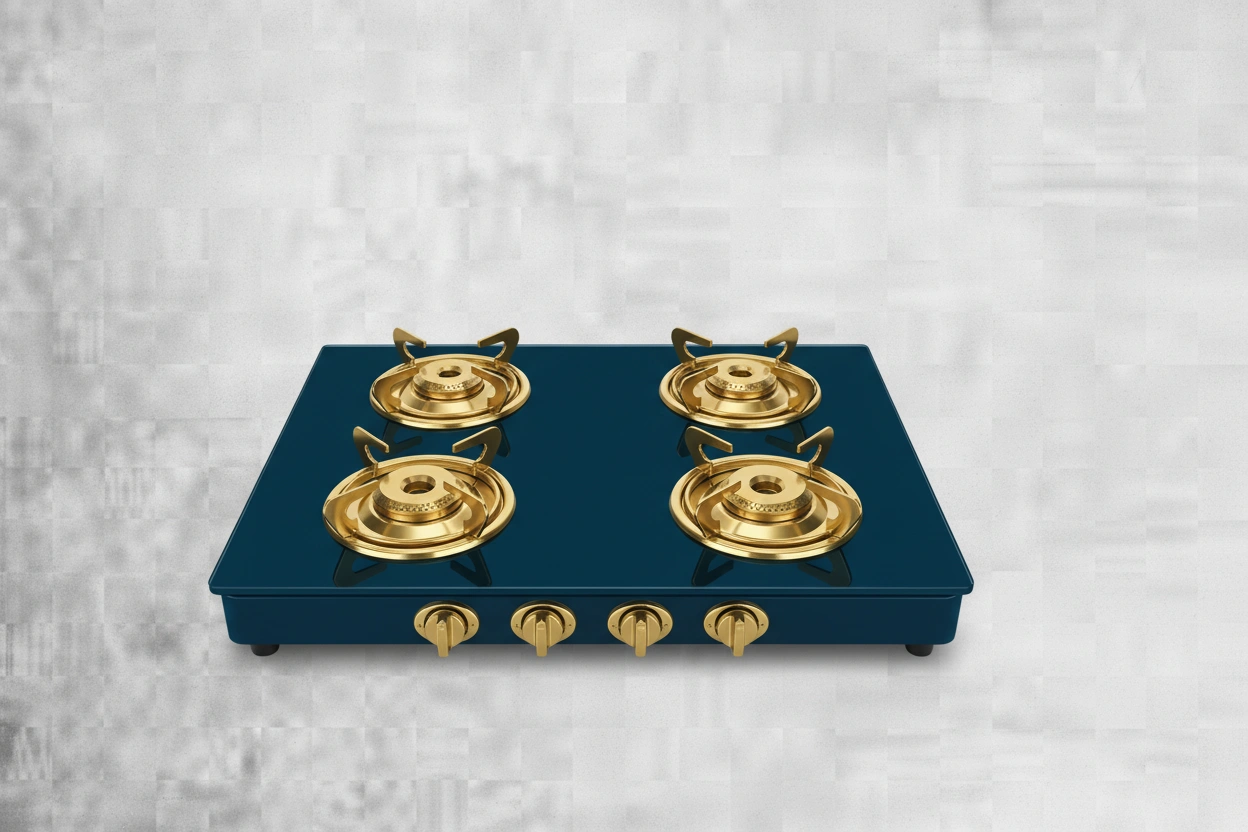 Gas Stove & Hob Repair
.webp) General Pest Control Services
General Pest Control Services
 General Plumbing & Consultation
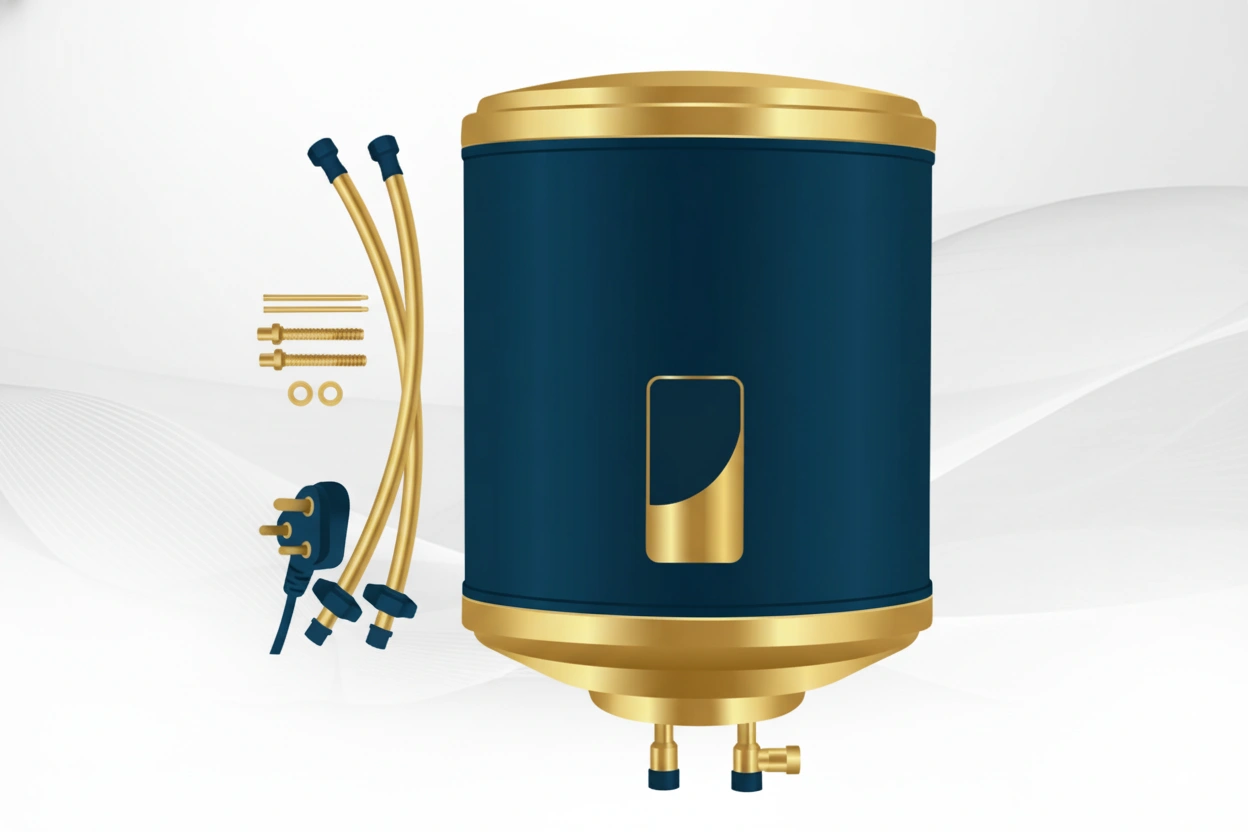 Geyser Repair
 Glass Cleaning
 Head Massage
.webp) Honeybee & Wasp-Services
Honeybee & Wasp-Services
 Kitchen & Bathroom Painting Service
 Kitchen Cleaning
 Kitchen Fittings
.webp) Kitchen Renovation
Kitchen Renovation
.webp) Laptop/Desktop service
Laptop/Desktop service
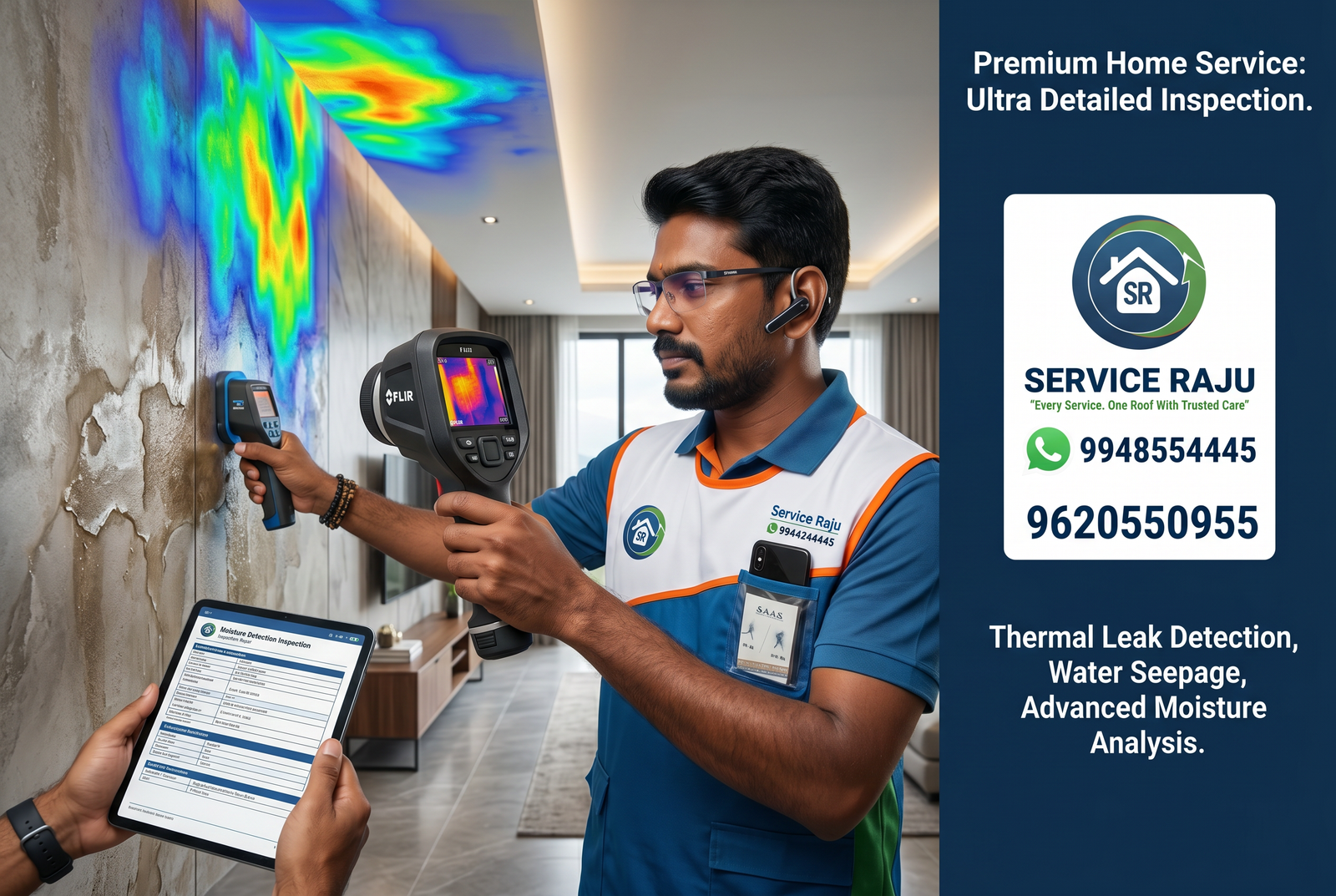 Leak Detection and Repair
 LED TV Repair
 Living and Dining Room Painting
 Makeup, Saree & Styling
 Manicure & Pedicure
 MCB,Meter & Fuse Services
 Microwave Repair
 Mosquito Pest Control Service
 Multi-Room Painting Service
 Painting Consultation
 Quick Mini Cleaning Services
 Refrigerator Repair
 RO Water Purifier
.webp) Rodent Control Services (Rat & Mice Treatment)
Rodent Control Services (Rat & Mice Treatment)
.webp) Rooms Cleaning
Rooms Cleaning
 Shelves & Decor
 Sofa, Carpet & Mattress Cleaning
 Solar Water Heater Service
 Sump & Tank Cleaning
 Switch & Socket Services
 Tap & Mixer Service
.webp) Termite-Control-Services
Termite-Control-Services
 Threading & Face Wax
.webp) Tile & Granite Installation & Polishing
Tile & Granite Installation & Polishing
 Toilet & Commode Services
.webp) UPS and Inverter Repair Services
UPS and Inverter Repair Services
.webp) Wall Painting Service
Wall Painting Service
 Washing Machine Repair
 Water Level Controllers
 Water Tank and Pump Repair
 Waterproofing
 Waterproofing Services
 Waxing
 Window & Curtain Services
 Wooden Door Services