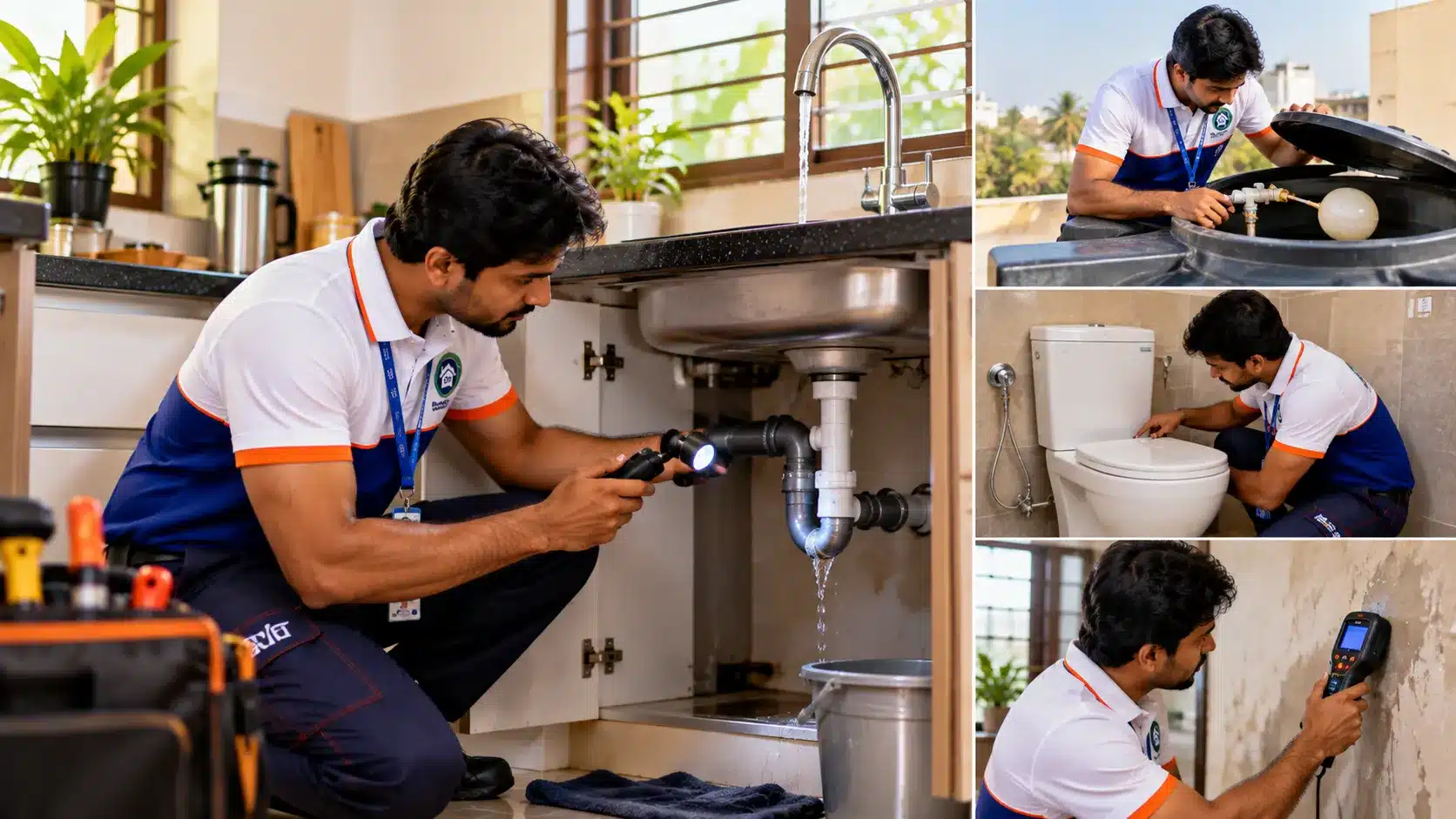
How to Save Water at Home in Mysuru: 15 Plumbing Problems That Waste Water
water saving plumbing Mysore is not only about taking shorter showers or closing the tap while brushing. A large amount of avoidable water loss can happen because of small plumbing problems that homeowners do not notice immediately.
A dripping tap, leaking toilet, faulty tank valve, hidden pipe leak or overflowing water tank can continue wasting water day after day. Some leaks are easy to see, while others stay behind walls, under floors or inside plumbing connections.
For Mysuru households, checking these problems is especially useful. Karnataka's official KSNDMC dashboard recorded 545.2 mm of southwest-monsoon rainfall against a normal 852 mm for the June–September 2026 period. Recent reporting also raised concerns about falling KRS water levels and drinking-water availability for Mysuru, Mandya and Bengaluru amid weak Cauvery-basin inflows.
This does not mean every household needs to reduce water use because of one rainfall statistic. It does mean that fixing preventable plumbing losses is a practical part of responsible home water management.
Quick Answer: Which Plumbing Problems Waste Water at Home?
Check these 15 areas:
- Dripping taps
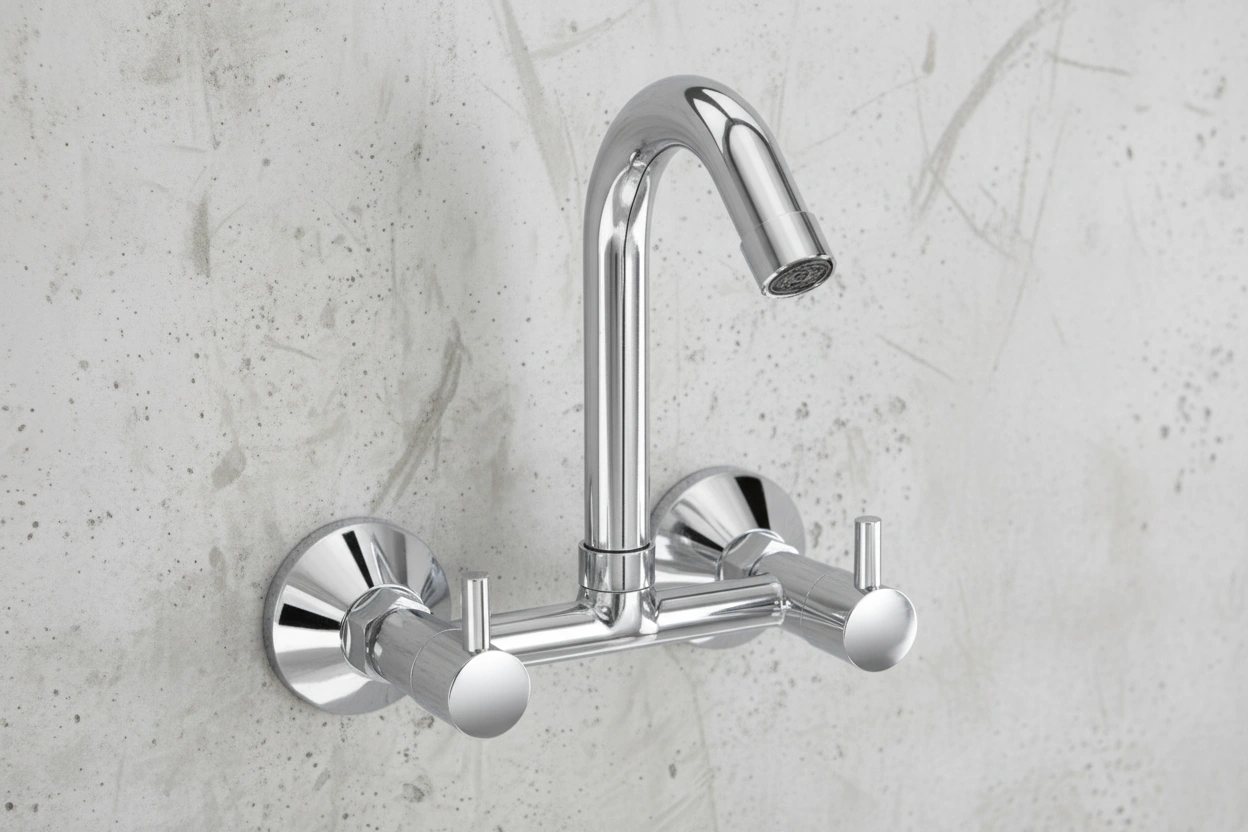
- Leaking mixer taps
- Toilet flush leakage
- Overflowing overhead tanks
- Faulty float valves
- Leaking pipe joints
- Outdoor taps
- Garden connections
- Water motor and pump problems
- Underground pipe leaks
- Hidden wall leaks
- Shower leakage
- Wash-basin connections
- Kitchen sink plumbing
- Incorrect or excessive water pressure
Some problems can be corrected with a simple maintenance step. Others require a plumbing inspection Mysore professional to locate the source before repair.
Table of Contents
- Why Plumbing Leaks Matter for Water Saving
- 15 Plumbing Problems That Can Waste Water
- A 10-Minute Home Water-Wastage Inspection
- How to Detect a Hidden Water Leak
- When to Call a Plumber
- How to Prevent Plumbing Water Wastage
- Home Plumbing Inspection in Mysore
- FAQs
- Final Takeaway
Why Plumbing Leaks Matter for Water Saving
A leak does not have to look dramatic to waste water.
A dripping tap can appear insignificant when you see it for a few seconds, but repeated losses continue whenever the fixture is not being used. A toilet can also leak without producing an obvious puddle because water can quietly pass into the bowl.
EPA WaterSense recommends regularly checking toilets, faucets, showerheads, pipes and other water-using fixtures for leaks and repairing them promptly. Its technical guidance notes that household leaks can account for substantial water waste.
The practical lesson is simple:
Saving water starts with stopping water that should never have been leaving the system.
15 Plumbing Problems That Can Waste Water
1. Dripping Taps
A tap that keeps dripping after it is closed is one of the easiest water-wasting problems to notice.
Possible causes include:
- Worn washer or cartridge
- Damaged valve component
- Loose connection
- Internal tap wear
What to do: If tightening the handle does not stop the leak, arrange leaking tap repair instead of repeatedly tightening it.
2. Leaking Mixer Taps
Kitchen and bathroom mixer taps can develop leaks around the cartridge, spout or connections.
Look for:
- Water continuing after closure
- Water collecting around the tap base
- Drips from the spout
- Leakage underneath the sink
A cartridge or connection may need replacement depending on the fitting.
3. Toilet Flush Leakage
A toilet can waste water without making a loud sound.
Common clues include:
- Water continuously moving into the bowl
- Refilling without flushing
- Periodic hissing from the cistern
- A water level that changes unexpectedly
EPA WaterSense recommends checking toilets for leaks, including tests that can reveal water passing from the tank into the bowl.
What to do: Arrange toilet water leakage inspection when the flush mechanism, inlet valve or internal seal continues leaking.
4. Overflowing Overhead Water Tanks
An overhead tank that repeatedly overflows is wasting treated or pumped water.
Check:
- Float valve operation
- Water-level controller
- Inlet valve
- Overflow pipe
- Automatic pump control
If the tank is regularly overflowing, the problem should be repaired rather than treated as a normal part of filling the tank.
5. Faulty Float Valves
A float valve controls water entering some storage systems and toilets. When the valve does not close correctly, water can continue flowing after the required level is reached.
Look for:
- Continuous filling
- Water flowing through overflow
- Float not moving correctly
- Valve remaining partially open
A faulty valve may need cleaning, adjustment or replacement.
6. Leaking Pipe Joints
Pipe joints under sinks, basins and visible plumbing lines can develop slow leaks.
These may appear as:
- Small water droplets
- Wet pipe connections
- Water stains inside cabinets
- Damp flooring
- Musty smells
A small joint leak can become a larger problem if it is ignored.
7. Outdoor Taps
Outdoor taps are easy to overlook because the water often drains into the ground.
Check taps near:
- Gardens
- Parking areas
- Terraces
- Service yards
- External wash areas
A tap that drips continuously outdoors can waste water without leaving an indoor puddle.
8. Garden Connections and Hose Fittings
Garden hoses and external plumbing connections can leak around connectors, taps and valves.
Inspect the connection while water is running and again after the tap is closed.
Replace damaged washers, connectors or valves where appropriate.
9. Water Motor and Pump Problems
A water motor can contribute to water wastage when the plumbing system is not operating correctly.
Examples include:
- Pump running longer than necessary
- Automatic controller malfunction
- Water leaking around pump connections
- Pressure fluctuations causing repeated cycling
- Tank-overflow problems connected to pump control
If your water pump repeatedly switches on and off without normal water use, arrange a plumbing or pump inspection.
10. Underground Pipe Leakage
Some of the hardest leaks to find are underground.
Possible clues include:
- Unexpected water usage
- Wet areas without an obvious source
- Persistent damp soil
- Water loss even when fixtures are closed
- Drop in water pressure
An underground leak should not be repaired by random excavation. First narrow down the likely section of the pipeline using appropriate inspection and testing.
11. Hidden Wall Pipe Leaks
A concealed pipe leak can remain hidden until the wall becomes damp or the water bill changes.
Look for:
- New damp patches
- Peeling paint
- Discolouration
- Unusual moisture
- Unexpected water-meter movement
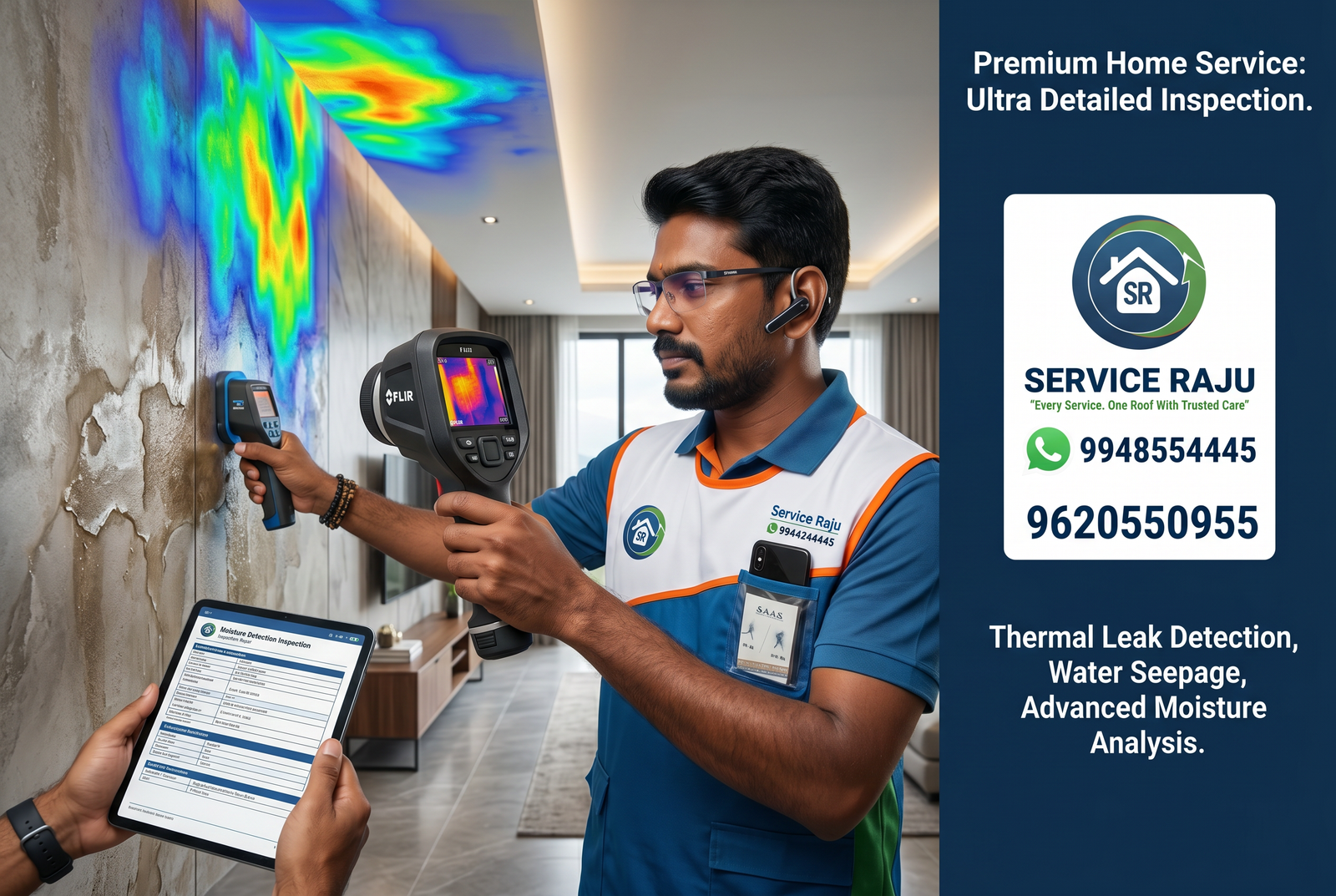
Depending on the property, professional detection may use visual inspection, moisture measurement, thermal imaging or pressure testing before opening the wall.
12. Shower Leakage
Showers can waste water through dripping showerheads, loose connections, damaged mixers or pipe joints.
Check whether water continues flowing after the shower is switched off.
Also inspect the shower connection for visible leakage.
If water is escaping into the wall or floor, the issue may require plumbing or waterproofing investigation rather than a simple showerhead replacement.
13. Wash-Basin Connections
The plumbing underneath a basin can develop slow leaks that remain hidden inside a cabinet.
Look for:
- Wet cabinet floors
- Dripping waste connections
- Loose flexible hoses
- Water around the trap
- Staining or dampness
A small leak under a basin should be repaired before the cabinet or flooring is damaged.
14. Kitchen Sink Plumbing
The kitchen sink is another high-use water point that deserves regular inspection.
Check:
- Tap base
- Flexible hoses
- Sink waste pipe
- Trap
- Dishwasher connection where applicable
- RO or water-purifier connections
Leaks under the sink are often hidden behind stored cleaning products and containers, so move items occasionally and inspect the area.
15. Incorrect or Excessive Water Pressure
Water pressure that is too high for the plumbing system can contribute to stress on fixtures, connections and valves.
Look for:
- Repeated tap failures
- Flexible hoses bursting or leaking
- Persistent joint problems
- Sudden pressure changes
- Water hammer or unusual pipe noise
Do not assume that stronger pressure is always better. A plumbing professional can assess the system and determine whether pressure control is required.
A 10-Minute Home Water-Wastage Inspection
You can perform a simple visual inspection without dismantling your plumbing.
Check 1: Turn Off Normal Water Use
Close taps and stop water-using appliances.
Check 2: Look at the Water Meter
Where the property's plumbing and meter arrangement allows a meaningful reading, observe the meter when no water is being used.
EPA WaterSense recommends meter checks as one way to identify possible leaks in a home.
Check 3: Listen for Running Toilets
Stand quietly near each toilet and listen for periodic refilling or running water.
Check 4: Look Under Sinks
Inspect bathroom and kitchen cabinets for moisture.
Check 5: Check Outdoor Taps
Look for dripping taps and wet ground around external connections.
Check 6: Inspect the Water Tank
Ask whether the overhead tank is overflowing or whether the float valve is working correctly.
Check 7: Look for Damp Walls
New dampness can indicate a concealed leak and should be investigated rather than painted over.
How to Detect a Hidden Water Leak
A hidden leak needs more evidence than a wet wall alone.
Depending on the situation, a professional inspection may use:
- Manual visual inspection
- Water-meter observation
- Moisture-meter measurements
- Thermal imaging
- Pressure testing
- Pipeline inspection
The purpose is to narrow down the likely source before opening walls or floors.
For example, a thermal image can highlight a suspicious temperature pattern, while moisture measurement and appropriate plumbing tests can provide additional evidence. No single test should automatically be treated as proof of a hidden leak.
When to Call a Plumber
Book a professional plumbing inspection Mysore when:
- A leak keeps returning after tightening or cleaning.
- A toilet continues losing water.
- An overhead tank repeatedly overflows.
- You suspect an underground pipe leak.
- A wall is becoming damp without an obvious source.
- Water pressure changes unexpectedly.
- Multiple plumbing fixtures develop problems.
- Your water usage increases without a clear reason.
- A pipe joint or valve is inaccessible.
- You need to open a wall or floor to find the leak.
The goal is to identify the source before starting unnecessary demolition.
How to Prevent Plumbing Water Wastage
| Area | Simple Prevention |
|---|---|
| Taps | Repair dripping taps promptly |
| Toilets | Check for silent flush leaks |
| Water Tank | Inspect float valves and overflow |
| Sinks | Check connections under the cabinet |
| Outdoor Taps | Inspect after garden use |
| Pipes | Check visible joints and damp areas |
| Water Motor | Check abnormal cycling and controller operation |
| Hidden Plumbing | Investigate unexplained moisture or water loss early |
EPA WaterSense similarly recommends regular home maintenance and prompt leak repair as part of water-efficient household management.
Home Plumbing Inspection in Mysore
Service Raju provides plumbing services in Mysuru and can also support related requirements across its service areas in Udupi, Mangaluru and Indore.
Relevant services include:
- General Plumbing Repair & Maintenance
- Plumbing Consultation
- Tap and Mixer Repair
- Toilet Installation & Replacement
- Drainage & Blockage Solutions
- Water Tank Plumbing Consultation
- Water Motor Service
- Water Leakage Detection
- Hidden Water Leakage Detection
Book a Home Plumbing Inspection
When contacting Service Raju, explain:
- Where you see the leak
- Whether the water is continuously running
- Whether the problem appears only during water use
- Whether the tank is overflowing
- Whether the wall or floor is becoming damp
- Whether the water meter moves when all fixtures are closed
This information helps the technician understand whether the issue is likely to be a visible fixture leak, plumbing connection, tank problem or hidden pipe leak.
Service Raju — Your Home Service Partner
Call / WhatsApp: 9964544445
Website: www.serviceraju.com
FAQs About Water-Saving Plumbing in Mysuru
What plumbing problem wastes the most water at home?
There is no single answer for every home because the amount of water lost depends on the leak size and how long it continues. Toilets, continuously running fixtures, overflowing tanks and concealed leaks can all waste significant quantities of water.
How can I check if my toilet is leaking?
Listen for water running when nobody has flushed, watch for periodic refilling and consider a simple leak test recommended for your toilet design. Persistent unexplained water movement should be investigated.
Can a dripping tap really waste much water?
Yes. Small leaks can accumulate over time. EPA WaterSense recommends repairing dripping faucets and other household leaks rather than allowing them to continue.
How do I know if I have a hidden pipe leak?
Unexpected water use, damp walls, unexplained moisture, pressure changes or a meter that indicates water movement when normal use has stopped can be clues. Professional testing may be needed to confirm the source.
Why does my overhead water tank overflow?
Possible causes include a faulty float valve, water-level controller problem, pump-control issue or another inlet-control fault. The specific cause should be identified before replacing the entire system.
Can a water motor waste water?
Yes, indirectly. Faulty controls, repeated cycling, leaks around connections or tank overflow related to pump operation can contribute to unnecessary water loss.
Should I repair a leaking tap or replace it?
It depends on the tap design, condition and cost of the repair. A worn cartridge, washer or seal may be repairable, while an extensively damaged fitting may be better replaced.
Can I fix every plumbing leak myself?
Simple accessible tap or connection issues may be manageable for some homeowners. Concealed leaks, toilet faults, pressure problems, underground leaks and inaccessible pipework should be assessed by a qualified plumber.
When should I book a plumbing inspection?
Book an inspection when water loss is unexplained, leaks repeatedly return, several fixtures have problems, a tank overflows or you suspect a concealed pipe leak.
Does Service Raju provide home plumbing inspection in Mysore?
Yes. Service Raju provides plumbing repair, consultation, drainage, water-motor and water-leakage detection services in Mysuru and other listed service areas.
Final Takeaway
Water saving plumbing Mysore starts with finding the water that your home is losing unnecessarily.
Use this simple sequence:
Check → Find the leak → Identify the cause → Repair → Test → Monitor.
Start with the 15 points in this guide:
Taps → Mixers → Toilets → Tanks → Float valves → Pipe joints → Outdoor taps → Garden lines → Motors → Underground pipes → Hidden wall leaks → Showers → Basins → Kitchen sinks → Water pressure.
Water saving does not always require expensive new equipment. Sometimes the most practical improvement is repairing the plumbing problem that has been wasting water every day.
Not sure where your home is wasting water?
Book a Home Plumbing Inspection with Service Raju.
Call / WhatsApp: 9964544445
Website: www.serviceraju.com
 AC Repair
.webp) Ant Control Service
Ant Control Service
 Basin & Sink Services
.webp) Bath & Shower Services
Bath & Shower Services
.webp) Bath Fittings & Mirrors
Bath Fittings & Mirrors
 Bathroom Cleaning Service
 Bathroom Renovation Services
 Bed Bug Control Services
 Bedroom Painting
 Book a Carpenter Consultation
 Book Electrical Consulting
.webp) Cabinet Painting & Wood Refinishing
Cabinet Painting & Wood Refinishing
 Chimney Cleaning
 Civil Masonry Work
 Clean-Up Services
.webp) Clothes Hanger Installation
Clothes Hanger Installation
 Cockroach Control Services
---mysore-mysore-standard-300x200.webp) Commercial Cleaning
Commercial Cleaning
 Commercial Pest Control AMC Service
 Cupboard & Drawer Services
 Decorative Wall Panels
 Deep Sanitisation Service
 Detan & Bleach
 Door, Grill & Cabinet Painting Service
.webp) Doorbell & security
Doorbell & security
 Drain Blockage Clearing
 Electrical Appliance Services
 Electrical Wiring Services
 Empty Home Deep Cleaning
.webp) Fabrication
Fabrication
 Facials
.webp) Fan Installation & Repair
Fan Installation & Repair
 Full Home Cleaning Service
 Full Home Renovation
 Furniture Repair Service
 Gas Stove & Hob Repair
.webp) General Pest Control Services
General Pest Control Services
 General Plumbing & Consultation
 Geyser Repair
 Glass Cleaning
 Head Massage
.webp) Honeybee & Wasp-Services
Honeybee & Wasp-Services
 Kitchen & Bathroom Painting Service
 Kitchen Cleaning
 Kitchen Fittings
.webp) Kitchen Renovation
Kitchen Renovation
.webp) Laptop/Desktop service
Laptop/Desktop service
 Leak Detection and Repair
 LED TV Repair
 Living and Dining Room Painting
 Makeup, Saree & Styling
 Manicure & Pedicure
 MCB,Meter & Fuse Services
 Microwave Repair
 Mosquito Pest Control Service
 Multi-Room Painting Service
 Painting Consultation
 Quick Mini Cleaning Services
 Refrigerator Repair
 RO Water Purifier
.webp) Rodent Control Services (Rat & Mice Treatment)
Rodent Control Services (Rat & Mice Treatment)
.webp) Rooms Cleaning
Rooms Cleaning
 Shelves & Decor
 Sofa, Carpet & Mattress Cleaning
 Solar Water Heater Service
 Sump & Tank Cleaning
 Switch & Socket Services
 Tap & Mixer Service
.webp) Termite-Control-Services
Termite-Control-Services
 Threading & Face Wax
.webp) Tile & Granite Installation & Polishing
Tile & Granite Installation & Polishing
 Toilet & Commode Services
.webp) UPS and Inverter Repair Services
UPS and Inverter Repair Services
.webp) Wall Painting Service
Wall Painting Service
 Washing Machine Repair
 Water Level Controllers
 Water Tank and Pump Repair
 Waterproofing
 Waterproofing Services
 Waxing
 Window & Curtain Services
 Wooden Door Services