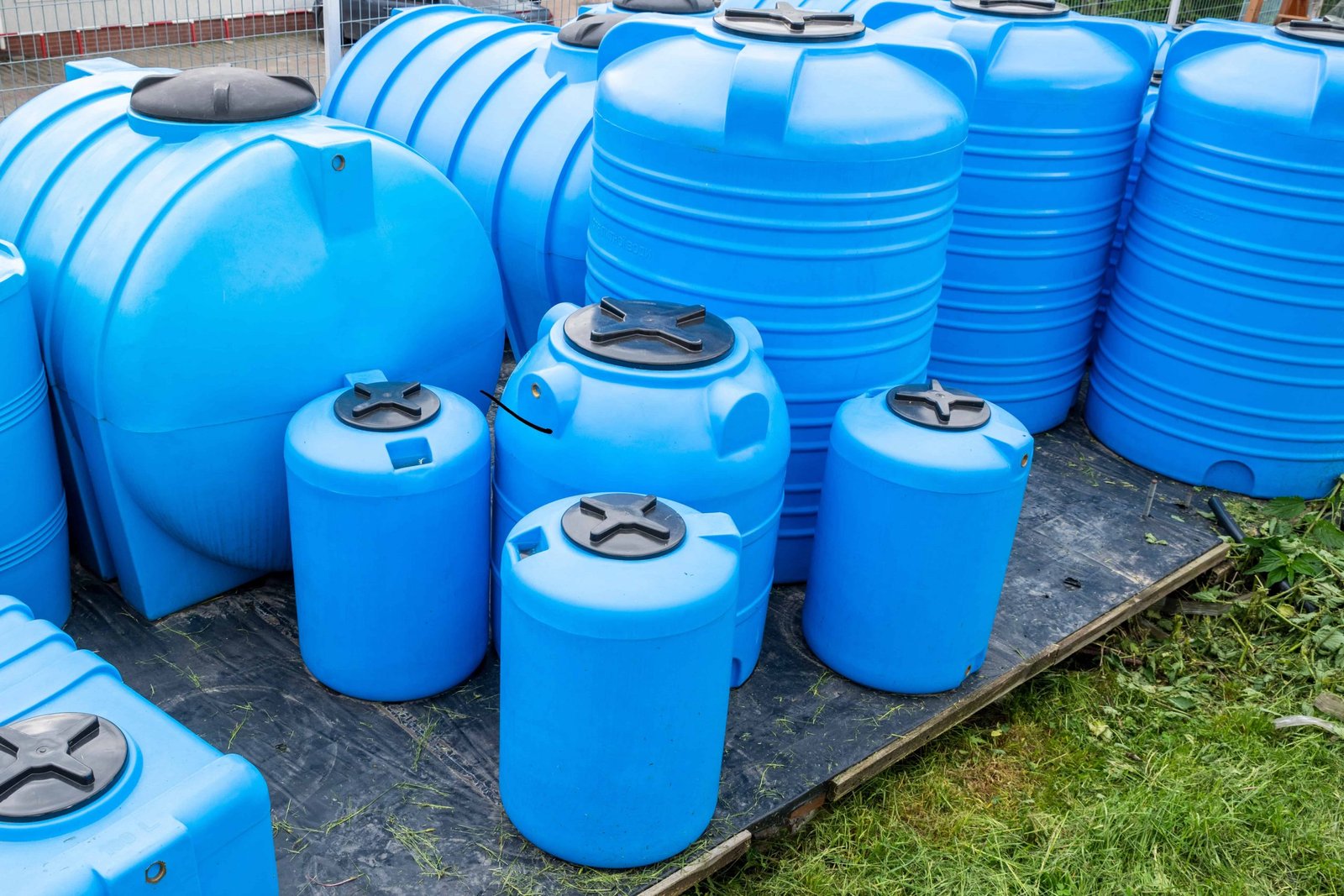
Overhead Tank Overflowing Frequently?
7 Common Causes and When to Call a Professional Plumber in Mysore
Overhead Tank Overflowing Frequently?
7 Common Causes and When to Call a Professional Plumber in Mysore
Quick Navigation
- Understanding the Overflow Crisis
- Reason 1: Faulty Ball Valves
- Reason 2: NRV Malfunctions
- Reason 3: Water Level Controller Issues
- Reason 4: Silt & Hard Water Debris
- Reason 5: High Main-Line Pressure
- Reason 6: Poor Tank Leveling
- Reason 7: Aging Infrastructure
- The Financial Impact of Leaks
- When to Hire a Mysore Plumber
Understanding the Frustration of Frequent Water Tank Overflows in Mysore
Living in a vibrant city like Mysore, homeowners often face a peculiar yet exhausting problem: the persistent sound of water cascading down from the roof. An overhead tank overflowing frequently is more than just a nuisance; it is a significant waste of a precious resource and a threat to your property's structural integrity. Whether you are in Vijayanagar, JP Nagar, or the heritage lanes of Agrahara, the sight of water-stained walls and slippery driveways is all too common due to plumbing neglect.
For many residents, the solution seems simple—just turn off the motor. However, when the overflow happens even when the motor is off, or occurs repeatedly despite manual intervention, it signals a deeper mechanical or hydraulic failure within your home's plumbing network. Professional plumbing services in Mysore are often called in to diagnose these issues, ranging from simple valve replacements to complex automation repairs.
In this comprehensive guide, we will dive deep into the seven primary reasons why your tank might be failing you. From the mineral-rich hard water of Mysore affecting your valves to the nuances of modern automatic controllers, we will cover everything you need to know. By the end of this article, you will understand exactly when you can perform a quick fix and when it is time to call in the experts from Service Raju.
Reason 1: Faulty or Worn-Out Ball Valves (Float Valves)
The ball valve, often called a float valve, is the gatekeeper of your overhead tank. It works on a simple buoyancy principle: as the water rises, a floating ball lifts an arm that eventually shuts off the water inlet. In Mysore, where water often contains high levels of dissolved solids, these valves are the first to fail. The frequent overhead tank overflowing frequently issue is most often traced back to a ball valve that no longer creates a watertight seal.
Over time, the plastic or copper ball can develop tiny punctures, allowing water to seep inside. Once the ball loses its buoyancy, it stays submerged, and the valve remains open indefinitely. Alternatively, the rubber washer at the pivot point may harden and crack due to Mysore's fluctuating temperatures, preventing a complete shut-off even when the arm is fully raised. This leads to a constant trickle that eventually causes a massive overflow.
If you suspect a ball valve issue, it is best to check the movement of the float arm. If it feels stiff or if the ball feels heavy, replacement is the only reliable option. While it looks like a simple DIY task, ensuring the correct angle and pressure rating is crucial to avoid future leaks. Professional home plumbing repair specialists can install high-durability valves that resist mineral buildup better than standard local hardware options.
Reason 2: Malfunctioning Non-Return Valves (NRV)
A Non-Return Valve (NRV) is designed to allow water to flow in only one direction—usually from your sump or pump up to the overhead tank. However, if this valve fails, a phenomenon known as "backflow" occurs. This is a common culprit when homeowners notice their tank is overflowing even when the pump is completely switched off. Water from the tank flows back down the delivery pipe, putting pressure on the system and often causing erratic overflow patterns.
In many Mysore households, NRVs are installed near the pump or at the tank inlet. If debris or grit gets stuck in the valve's flap or spring mechanism, it stays partially open. This not only causes the overhead tank to lose water back into the sump but can also create an air-lock in your pump, leading to motor burnout. This dual threat makes NRV maintenance a high priority for any emergency plumber in Mysore.
Replacing an NRV requires cutting into the pipework and ensuring a leak-proof seal under pressure. It’s a job that demands precision. If you notice your pump taking longer than usual to prime or your tank level dropping mysteriously overnight followed by an overflow when the main supply hits, your NRV is likely the villain. Our team at Service Raju specializes in high-pressure valve installations that stand the test of time.
Reason 3: Improper Water Level Controller Settings
Modern homes in Mysore are increasingly adopting automatic water level controllers to manage their pumps. These devices use sensors (probes) to detect water levels and trigger the motor. However, if these sensors are incorrectly placed or become corroded, the system fails to send the "stop" signal to the pump. This results in the pump running long after the tank is full, leading to a massive overhead tank overflowing frequently.
Sensor misalignment is a common issue. If the 'high-level' probe is hung too high—often touching the top of the tank—it may never detect the water due to foam or splashing. Furthermore, the wiring connecting the tank sensors to the controller in the utility area can degrade due to sun exposure or pest damage. This breaks the circuit, leading the controller to believe the tank is empty even when it is pouring over.
Expert Tip: Sensor Maintenance
- Clean sensors every 6 months to remove calcium buildup.
- Ensure the 'High' probe is at least 3 inches below the overflow pipe.
- Use shielded cables for sensors to prevent electrical interference.
Fixing a controller requires a blend of electrical knowledge and plumbing expertise. Since water and electricity are a dangerous combination, we always recommend hiring a professional for these repairs. Service Raju’s technicians are trained to calibrate these systems perfectly, ensuring your motor only runs when absolutely necessary.
Reason 4: Silt and Debris Accumulation in the Tank
Mysore’s water supply, while generally good, can carry silt, sand, and organic matter, especially during the monsoon season. Over months and years, this sediment settles at the bottom of your tank. If this silt reaches the level of your outlet or gets stirred up during a refill, it can enter the mechanical components of your plumbing system, causing the overhead tank overflowing frequently problem through blockages.
Grit often gets lodged in the seat of the ball valve, preventing it from closing fully. Even a grain of sand can prevent a rubber washer from making a perfect seal. Furthermore, if you have a multi-tank system connected by siphons or balancing pipes, sediment can block these connectors, causing one tank to fill faster than the other and overflow while the second tank remains half-empty.
This is why regular sump tank cleaning and overhead tank maintenance are vital. A clean tank ensures that your valves remain functional and your water remains hygienic. At Service Raju, we don't just fix the leak; we offer comprehensive cleaning services to remove the root cause of mechanical failure. Cleaning should ideally be done every six months to prevent the accumulation of scale and sludge.
Reason 5: High Water Pressure from the Main Line
Some areas in Mysore, particularly those close to the main distribution reservoirs or in low-lying layouts, experience exceptionally high water pressure from the municipal supply. If your overhead tank is connected directly to the main line (without a sump/pump intermediary), this high pressure can overpower standard ball valves. The force of the water prevents the valve from closing, even when the float is fully raised.
This is a common cause for tanks that overflow specifically at night when city-wide water usage is low and pressure peaks. You might wake up to a flooded terrace despite having a brand-new valve. This constant high pressure also stresses the joints in your plumbing, leading to hidden leaks inside walls or under floorboards, which can eventually compromise the structure of your home.
To combat this, a professional plumber in Mysore will recommend installing a Pressure Reducing Valve (PRV) on your main inlet. This device stabilizes the incoming pressure to a level your internal plumbing can handle. It's a sophisticated solution that pays for itself by preventing valve blowouts and pipe bursts. If you live in high-pressure zones like Kuvempu Nagar or Vijayanagar, this is a must-have upgrade.
Reason 6: Incorrect Tank Installation or Leveling
It might sound surprising, but the physical position of your tank can cause it to overflow. If a tank is not perfectly level, the internal float mechanism may not operate on its intended vertical axis. A slight tilt can cause the float arm to rub against the side of the tank, getting stuck in the "down" position even as the water level rises. This mechanical obstruction is a frequent reason for overhead tank overflowing frequently in newer constructions.
Additionally, the height of the overflow pipe itself is critical. If the overflow pipe is installed too low relative to the tank's capacity, you lose water before the tank is actually full. Conversely, if it's too high, water can leak out of the lid or manhole cover, causing seepage into the roof slab before it even reaches the overflow pipe. Proper plumbing maintenance involves checking these levels periodically.
Correcting a tilted tank often requires draining the system and reinforcing the base. Whether your tank sits on a brick pedestal or a steel stand, it must be stable. Our team at Service Raju ensures that every installation follows strict engineering guidelines to prevent mechanical interference. We also check for "vortex" issues where the speed of incoming water creates waves that trick the float valve into bouncing, leading to inconsistent shut-offs.
Reason 7: Aging Infrastructure and Corroded Pipes
In many of Mysore’s older neighborhoods like Krishnamurthy Puram or Lashkar Mohalla, the internal plumbing consists of old GI (Galvanized Iron) pipes. These pipes are prone to internal corrosion, which sheds flakes of rust into the water stream. These rust particles are notorious for ruining valve seals and clogging the fine mesh filters in modern water controllers and NRVs, leading to the overhead tank overflowing frequently.
Corrosion can also cause "pinhole leaks" in the delivery line. Sometimes, what looks like an overflow is actually water spraying out of a rusted pipe near the top of the tank. Furthermore, as pipes age, they can sag or shift, changing the angle of the inlet. This shift can cause the inlet water to spray directly onto the float ball, pushing it down and preventing it from closing the valve.
If your home is over 15-20 years old, a professional audit of your plumbing lines is highly recommended. Switching to modern CPVC or UPVC pipes can eliminate rust issues and provide a much smoother flow. Service Raju provides complete repiping services tailored to the specific architecture of Mysore homes, ensuring that your plumbing remains leak-free for decades to come.
The Real Cost of Ignoring Water Tank Overflows
Many homeowners view a small overflow as a minor inconvenience, but the cumulative costs are staggering. In Mysore, where water conservation is increasingly important, wasting hundreds of liters a day is environmentally irresponsible. Financially, if you use a pump, every minute of overflow is money wasted on electricity. Over a month, a frequent overflow can add thousands of rupees to your utility bills.
Beyond the bills, the structural damage is the silent killer. Constant water overflow leads to dampness in the roof slab, which eventually causes the reinforcement steel to rust and expand. This results in concrete spalling (chunks falling off) and expensive waterproofing repairs. The growth of algae and moss on the walls also ruins the exterior paint and aesthetics of your property. Addressing the overhead tank overflowing frequently today can save you lakhs in structural repairs tomorrow.
When to Call a Professional Plumber in Mysore
While some plumbing issues can be temporarily managed, water tank overflows usually require professional intervention. You should call a professional if: 1) The overflow happens when the pump is off; 2) You have replaced the ball valve but the problem persists; 3) There is a leak near electrical components; or 4) You notice dampness on your ceiling. Professional plumbing services in Mysore have the diagnostic tools to find the hidden cause that a visual inspection might miss.
At Service Raju, we pride ourselves on being the most reliable emergency plumber in Mysore. We understand the local landscape—from the water pressure variations in different layouts to the specific types of fittings used in Mysore homes. Our technicians come equipped with genuine spare parts and the expertise to provide a permanent fix, not just a temporary patch.
Service Raju's Extensive Service Areas in Mysore
We proudly serve a 15-20km radius covering: 100 Feet Road, Agrahara, Alanahalli Layout, Alanahalli, Aravinda Nagar, Ashokpuram, Airport Road, Bannimantap C Layout, Bannimantap, Bangalore Road, Basaveshwara Block, Belavadi, BEML Nagar, Bogadi, Bogadi Extension, Bogadi Road, Brindavan Extension, C&D Block, Chamrajpura, Chamundipuram, Chamundi Extension, Chamundi Hill, Chamarajapuram, Daddakallahalli, Danagalli, Dattagalli 3rd Stage, Dattagalli, Devaraja Mohalla, Devanuru, Elivala, Gangothri Layout, Gayathripuram, Gokulam 1st/2nd/3rd Stage, Gokulam, Gugegowdanapura, Gundu Rao Nagar, Hinkal, Hootagalli, Hunsur Road, Ilavala Hobli, JP Nagar 1st/2nd/3rd, JSS Layout, Jantagalli, Jayalakshmipuram, Jayanagar, JP Nagar, Jyothi Nagar, Kadakola, Kalidasa Road, Kalyanagiri, Kanakadasa Nagar, Kargalli, KC Layout, Kenchalogoodu, Kergalli, Kesare, KR Circle, KR Mohalla, KR Pet, Krishnamurthy Puram, KS Town, KRS Road, Kurubara Halli, Kuvempu Nagar 1st/2nd Stage, Lashkar Mohalla, Madagalli, Mandi Mohalla, Metagalli, Mirza Road, NR Mohalla, Nadanahalli, Naganahalli, Nagawala, Nazarbad, Niveditha Nagar, Pragathi Nagar, Rajajinagar, Rajajinagara, Rajendra Nagar, Rajiv Nagar 2nd Stage, Rajiv Nagar, Rajarajeshwari Nagar, Ramakrishna Nagar, Rammanahalli, Roopa Nagar, RS Naidu Nagar, RT Nagar, Sathagalli Layout, Sayyaji Rao Road, Shakti Nagar, Shankara Nagar, Sharadadevi Nagar, Siddartha Layout, Siddarthanagar, Someshwarapura, Somanatha Nagar, Srinagara Layout, Srirampura 1st/2nd Stage, Sriramapura, TK Layout, Tilak Nagar, Udayagiri, University Campus, VV Mohalla, Vani Vilas Mohalla, Vidyaranyapuram, Vijayanagar 1st/2nd/3rd Stage, Vijayanagar, Vishweshwara Nagar, Vivekananda Nagar, Yadavagiri, 18th Cross Kuvempunagar, Judicial Layout, Beerihundi, Bhogadi, Chamundi Hill GP, Dhanagalli, Heggadadevankote (edge), Siddalingapura, Yelwal (inner)
Stop the waste and protect your home today! Contact Service Raju for expert plumbing solutions in Mysore at +91 99645 44445!


.png)
 +91
+91
 AC Repair & Servicess
 Appliance Cleaning
 Appliance Electrical Services
 Basin & Sink Services
 Bath Accessory Installation
 Bathroom Cleaning
 Bathroom Renovation Services
 Book a Carpenter Consultation
 Book a Electrical Consultation
 Chimney Services
 Civil Masonry Work
 Clean-Up Services
---mysore-mysore-standard-300x200.webp) Commercial Cleaning
Commercial Cleaning
 Complete Kitchen Cleaning
 Cupboard & Drawer
 Deep Bathroom Cleaning
 Deep Furnished Home Cleaning
 Deep Unfurnished Full Home Cleaning
 Detan & Bleach
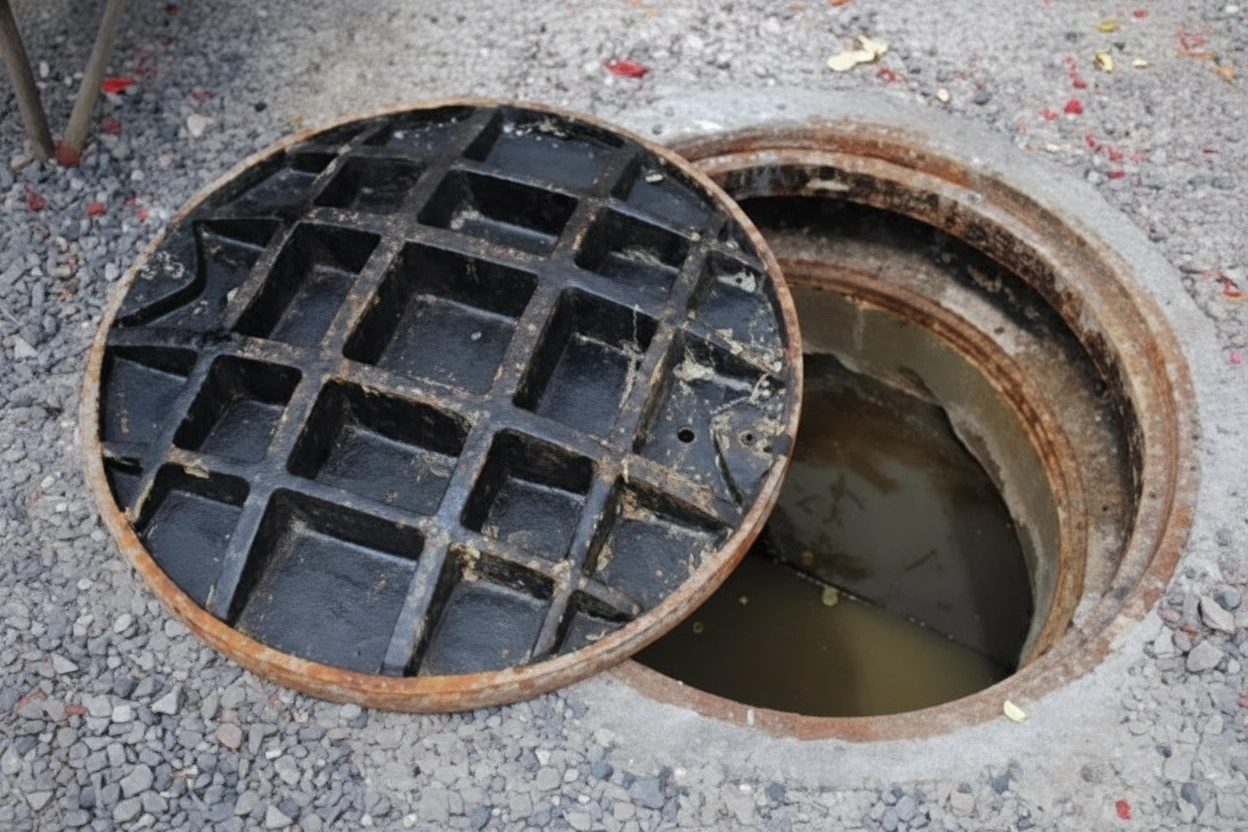 Drain & Blockage Clearances
 Exterior Painting
 Facials
 Fan Repair & Services
 Furniture & Storage
 Gas Stove & Hob Services
.webp) General Pest Control
General Pest Control
 General Plumbing & Consultation
 Geyser Services
 Glass Cleaning
 Head Massage
 Insect & Bug Control
.webp) Interior Painting
Interior Painting
 Kitchen Fittings
 Kitchen Renovation
 Light Installation & Repair
 Makeup Services
 Manicure & Pedicure
 MCB, Fuse & Meter
 Microwave Repair & Services
 Mini services
 Polishing Work
 Refrigerator Repair & Services
.webp) Rooms Cleaning
Rooms Cleaning
 Shelves & Decor
 Sofa, Carpet & Mattress Cleaning
 Solar Water Heater Service
 Specialized & Add-On Services
 Specialty & Decorative
 Sump & Tank Cleaning
 Switches & Sockets
 Tap & Mixer Services
 Termite & Rodent Control Services
 Threading & Face Wax
 Toilet & Flush Solutions
 Wall Panels
 Washing Machine
 Water Connections & Leak Repairs
 Water Level Controler
 Water Purifier
 Water tank & motor Repair
 Waterproofing
 Waxing
 Window & Curtain Services
 Wiring Services
.webp) Wood & Cabinet
Wood & Cabinet
 Wooden Door Services