Is Summer Water Scarcity or Hidden Leaks Causing Low Pressure in Your Mysore Home?
Don't let a mystery leak drain your wallet this summer. Get expert solutions in Mysore.
Is Summer Water Scarcity or Hidden Leaks Causing Low Pressure in Your Mysore Home?
Don't let a mystery leak drain your wallet this summer. Get expert solutions in Mysore.
Table of Contents
- The Summer Dilemma: Why Mysore Homes Lose Water Pressure
- Identifying Summer Water Scarcity in Your Neighborhood
- 5 Telltale Signs of a Hidden Leak in Your Mysore Home
- The DIY Diagnostic: Leak vs. Scarcity Test
- Why Professional Leak Detection is Vital in Mysore
- Why Choose Service Raju?
The Summer Dilemma: Why Mysore Homes Lose Water Pressure
As the temperatures soar in the Heritage City, homeowners often face a frustrating reality: a weak trickle from the showerhead or a kitchen tap that takes forever to fill a bucket. In Mysore, the onset of summer usually triggers two primary concerns. Is the low pressure a result of city-wide water scarcity as the KRS and Kabini levels dip, or is there a silent, hidden leak within your own walls or underground pipes? Differentiating between the two is the first step toward restoring your home's comfort.
For many residents in bustling layouts like Kuvempunagar or the older, narrow streets of Agrahara, water pressure fluctuations are common. However, assuming that summer scarcity is the only culprit can be a costly mistake. Hidden leaks don't just waste water; they can silently erode the foundation of your home, causing mold growth and structural damage that far exceeds the cost of a simple plumbing repair. Understanding the local context and knowing when to call a professional is essential for every Mysore resident.
Identifying Summer Water Scarcity in Your Neighborhood
Mysore’s water supply is primarily fed by the Krishna Raja Sagar (KRS) and Kabini reservoirs. During peak summer months, especially in years with lower-than-average monsoon rainfall, the Mysuru City Corporation (MCC) may implement scheduled water rationing or reduced pressure to manage available resources. If your neighbors in areas like Bogadi, Dattagalli, or Hebbal are experiencing the exact same pressure drop at the same time, it is likely a municipal supply issue.
Another indicator of scarcity is the consistency of the supply. If you notice that pressure is only low during the specific hours when the MCC releases water to your ward, but your internal tank-to-tap pressure remains normal, the problem lies outside your gate. However, if your overhead tank is full yet the pressure at your faucets is still dismal, the bottleneck is likely within your home’s plumbing network. In such cases, blaming the 'summer drought' only delays the fix you actually need.
Quick Home Check: Scarcity vs. Leak
- Check neighbor's water flow — Same issue? It's likely municipal scarcity.
- Check sump level overnight — Drop without usage? You have an underground leak.
- Inspect for wall dampness — Discolored patches indicate a pipe burst behind walls.
- Listen for hissing — Turn off all noise and listen near plumbing lines.
5 Telltale Signs of a Hidden Leak in Your Mysore Home
Hidden leaks are the silent thieves of Mysore households. Unlike a dripping faucet, these leaks occur behind walls, under floorboards, or in the main line connecting your sump to the overhead tank. One of the most obvious signs is a sudden, unexplained spike in your water bill. Even a pinhole leak can waste hundreds of liters of water over a month, leading to a noticeable increase in your monthly MCC charges.
Beyond the bill, keep an eye out for physical changes in your home. In Mysore’s heritage homes, you might see peeling paint or damp patches on high walls. In modern apartments in Vijayanagar or Jayanagar, look for warped wooden flooring or discolored grout in the bathroom. A musty, earthy odor in rooms that lack ventilation is another strong indicator that water is seeping into the masonry. Finally, if you hear the sound of running water or a faint hissing noise when all your taps are closed, you almost certainly have a hidden leak.
The DIY Diagnostic: Leak vs. Scarcity Test
Before you spend hours worrying about the KRS dam levels, perform this simple diagnostic. First, ensure your overhead tank is at least half-full. Turn off every single tap, shower, and water-consuming appliance (like your RO filter or washing machine) in the house. Now, locate your water meter. If the dial is still spinning or the digital numbers are climbing while all usage is halted, you have a leak between the meter and your home.
Another effective local test involves your sump and pump. Fill your sump to a specific mark and do not use any water for 4-6 hours. If the level drops significantly, the leak is likely in the underground sump or the suction pipe. Conversely, if your sump level remains stable but your overhead tank empties faster than usual without heavy usage, the leak is in the delivery lines. This simple process of elimination can save you from unnecessary service calls or, more importantly, from ignoring a problem that is slowly damaging your property.
Why Professional Leak Detection is Vital in Mysore
Traditional plumbing often involved 'guesswork'—breaking tiles and walls based on a hunch to find a leak. Modern leak detection in Mysore has evolved. Professional services now use non-invasive technology like acoustic sensors and thermal imaging cameras. These tools can pinpoint the exact coordinate of a leak behind a wall or under a marble floor without causing any destruction. This is particularly crucial for the heritage structures of Mysore, where preserving the original architecture is as important as fixing the pipe.
By hiring experts who use advanced technology, you ensure that the repair is surgical. Instead of a week-long construction project, a professional plumber can identify the fault, replace the specific section of the pipe, and restore your water pressure in a single afternoon. This not only saves you money on reconstruction but also prevents the long-term growth of black mold, which is a common health hazard in damp, leaky environments.
Top Plumbing Services in Mysore: Why Choose Service Raju?
When it comes to navigating the unique plumbing challenges of Mysore, Service Raju stands out as the trusted local expert. We understand that a home in Lakshmipuram has vastly different plumbing needs than a new villa in Roopa Nagar. Our team of certified plumbers is trained in the latest leak detection technologies, ensuring that your home remains intact while we find and fix the problem. We don't just provide a 'band-aid' fix; we look at the hydraulics of your entire home to ensure long-term pressure stability.
Service Raju is committed to transparency. From our initial consultation to the final repair, we provide clear pricing and explain the 'why' behind every recommendation. Whether you are dealing with summer pressure drops or a mysterious damp patch on your ceiling, our 90-day service warranty gives you the peace of mind that the job is done right the first time. Don't let a hidden leak drain your wallet or damage your home—trust Mysore's favorite service professionals to keep your water flowing smoothly.
Service Raju's Extensive Service Areas in Mysore
We proudly serve a 15-20km radius covering: 100 Feet Road, Agrahara, Alanahalli Layout, Alanahalli, Aravinda Nagar, Ashokpuram, Airport Road, Bannimantap C Layout, Bannimantap, Bangalore Road, Basaveshwara Block, Belavadi, BEML Nagar, Bogadi, Bogadi Extension, Bogadi Road, Brindavan Extension, C&D Block, Chamrajpura, Chamundipuram, Chamundi Extension, Chamundi Hill, Chamarajapuram, Daddakallahalli, Danagalli, Dattagalli 3rd Stage, Dattagalli, Devaraja Mohalla, Devanuru, Elivala, Gangothri Layout, Gayathripuram, Gokulam 1st/2nd/3rd Stage, Gokulam, Gugegowdanapura, Gundu Rao Nagar, Hinkal, Hootagalli, Hunsur Road, Ilavala Hobli, JP Nagar 1st/2nd/3rd, JSS Layout, Jantagalli, Jayalakshmipuram, Jayanagar, JP Nagar, Jyothi Nagar, Kadakola, Kalidasa Road, Kalyanagiri, Kanakadasa Nagar, Kargalli, KC Layout, Kenchalogoodu, Kergalli, Kesare, KR Circle, KR Mohalla, KR Pet, Krishnamurthy Puram, KS Town, KRS Road, Kurubara Halli, Kuvempu Nagar 1st/2nd Stage, Lashkar Mohalla, Madagalli, Mandi Mohalla, Metagalli, Mirza Road, NR Mohalla, Nadanahalli, Naganahalli, Nagawala, Nazarbad, Niveditha Nagar, Pragathi Nagar, Rajajinagar, Rajajinagara, Rajendra Nagar, Rajiv Nagar 2nd Stage, Rajiv Nagar, Rajarajeshwari Nagar, Ramakrishna Nagar, Rammanahalli, Roopa Nagar, RS Naidu Nagar, RT Nagar, Sathagalli Layout, Sayyaji Rao Road, Shakti Nagar, Shankara Nagar, Sharadadevi Nagar, Siddartha Layout, Siddarthanagar, Someshwarapura, Somanatha Nagar, Srinagara Layout, Srirampura 1st/2nd Stage, Sriramapura, TK Layout, Tilak Nagar, Udayagiri, University Campus, VV Mohalla, Vani Vilas Mohalla, Vidyaranyapuram, Vijayanagar 1st/2nd/3rd Stage, Vijayanagar, Vishweshwara Nagar, Vivekananda Nagar, Yadavagiri, 18th Cross Kuvempunagar, Judicial Layout, Beerihundi, Bhogadi, Chamundi Hill GP, Dhanagalli, Heggadadevankote (edge), Siddalingapura, Yelwal (inner)
Frequently Asked Questions (AEO)
Q: Why is my water pressure low only in summer? A: In Mysore, this is often due to low reservoir levels in KRS/Kabini. However, increased usage during heatwaves can also expose hidden leaks in your pipes that weren't as noticeable during high-pressure winter months.
Q: How do I know if my water bill is too high for Mysore? A: An average Mysore household uses 135-150 liters per person per day. If your bill has suddenly doubled without more people in the house, a hidden leak is the prime suspect.
Q: Can Service Raju find leaks under my garden or driveway? A: Yes, we use acoustic ground microphones to listen for the sound of escaping water deep underground, avoiding unnecessary digging in your Mysore property.
Q: Is low water pressure dangerous for my plumbing? A: Low pressure isn't dangerous, but if it's caused by a leak, the water escaping can weaken your home's foundation or cause electrical hazards if it reaches wiring.
Don't guess—get your home checked today. Contact Service Raju at +91 99645 44445!


.png)
 +91
+91
 AC Repair & Servicess
 Appliance Cleaning
 Appliance Electrical Services
 Basin & Sink Services
 Bath Accessory Installation
 Bathroom Cleaning
 Bathroom Renovation Services
 Book a Carpenter Consultation
 Book a Electrical Consultation
 Chimney Services
 Civil Masonry Work
 Clean-Up Services
---mysore-mysore-standard-300x200.webp) Commercial Cleaning
Commercial Cleaning
 Complete Kitchen Cleaning
 Cupboard & Drawer
 Deep Bathroom Cleaning
 Deep Furnished Home Cleaning
 Deep Unfurnished Full Home Cleaning
 Detan & Bleach
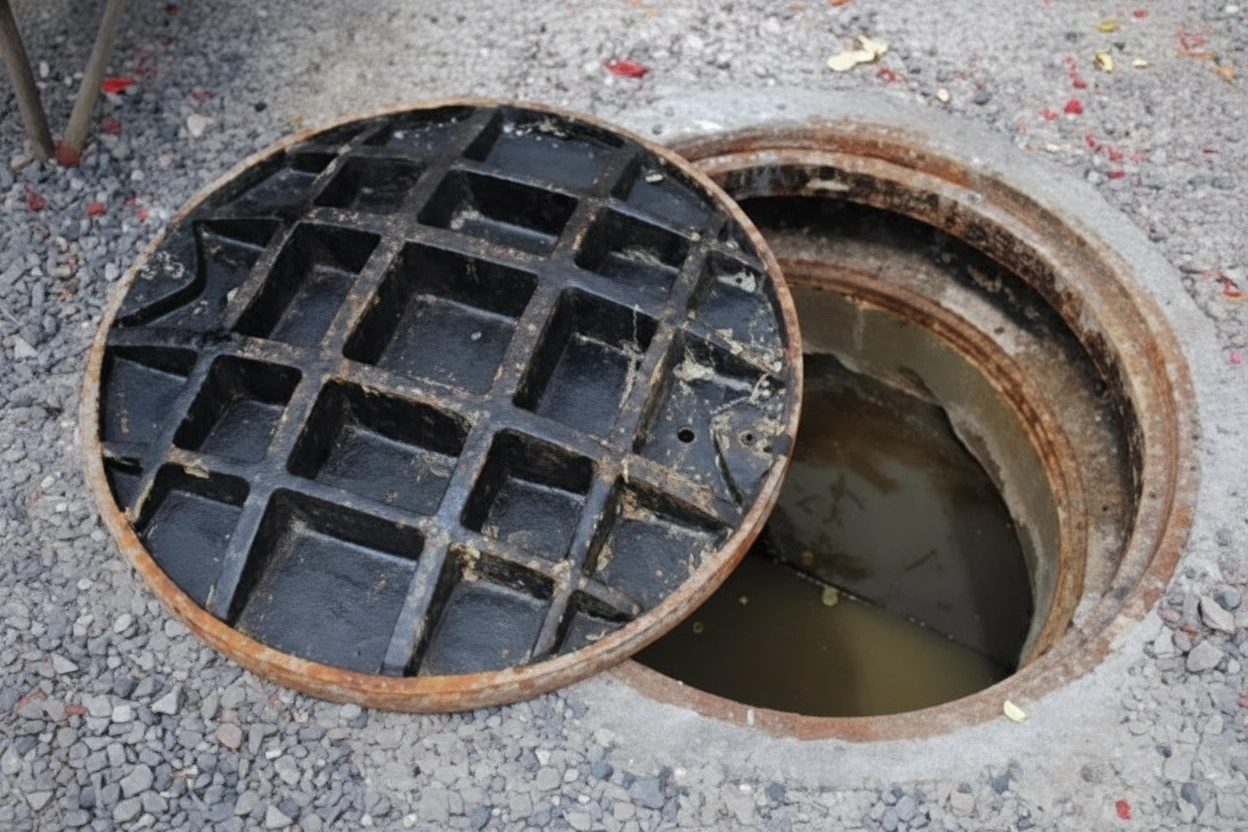 Drain & Blockage Clearances
 Exterior Painting
 Facials
 Fan Repair & Services
 Furniture & Storage
 Gas Stove & Hob Services
.webp) General Pest Control
General Pest Control
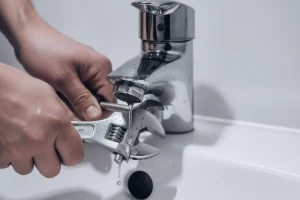 General Plumbing & Consultation
 Geyser Services
 Glass Cleaning
 Head Massage
 Insect & Bug Control
.webp) Interior Painting
Interior Painting
 Kitchen Fittings
 Kitchen Renovation
 Light Installation & Repair
 Makeup Services
 Manicure & Pedicure
 MCB, Fuse & Meter
 Microwave Repair & Services
 Mini services
 Polishing Work
 Refrigerator Repair & Services
.webp) Rooms Cleaning
Rooms Cleaning
 Shelves & Decor
 Sofa, Carpet & Mattress Cleaning
 Solar Water Heater Service
 Specialized & Add-On Services
 Specialty & Decorative
 Sump & Tank Cleaning
 Switches & Sockets
 Tap & Mixer Services
 Termite & Rodent Control Services
 Threading & Face Wax
 Toilet & Flush Solutions
 Wall Panels
 Washing Machine
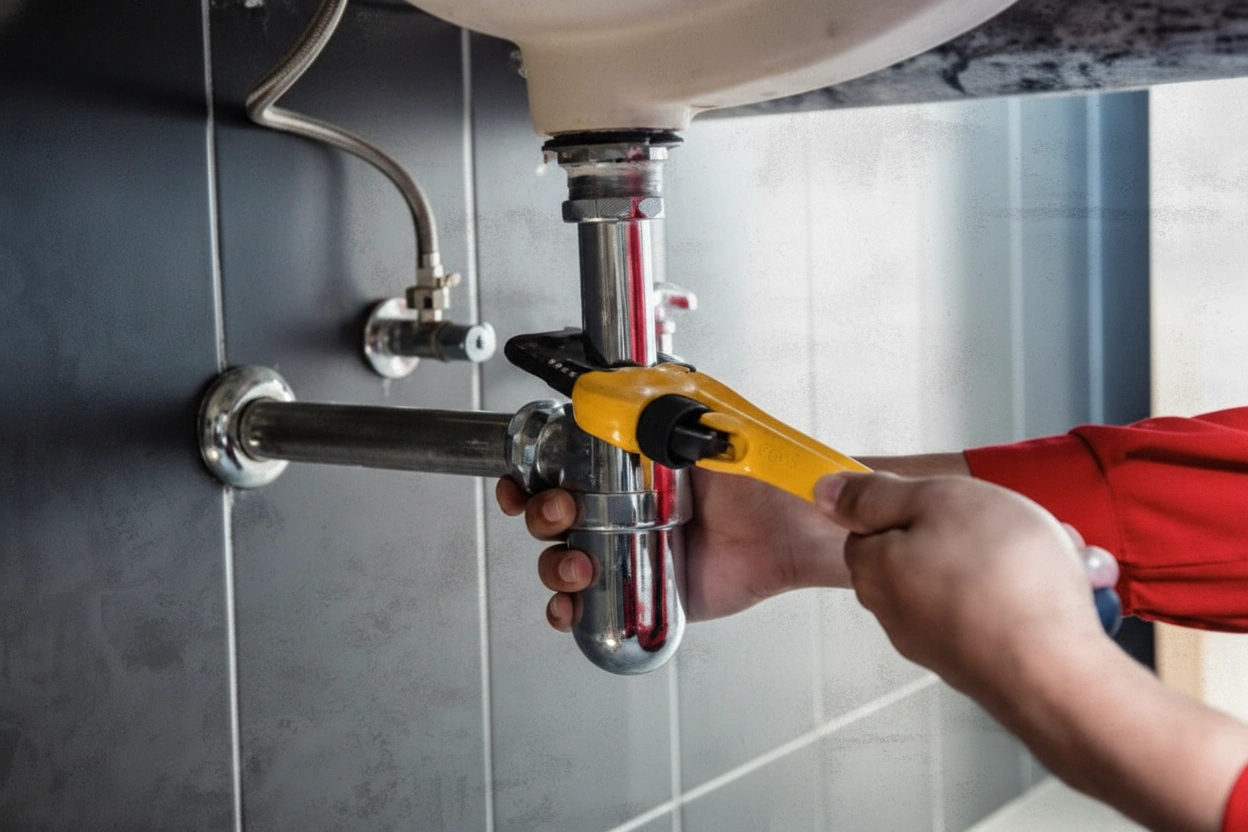 Water Connections & Leak Repairs
 Water Level Controler
 Water Purifier
 Water tank & motor Repair
 Waterproofing
 Waxing
 Window & Curtain Services
 Wiring Services
.webp) Wood & Cabinet
Wood & Cabinet
 Wooden Door Services