
5 Silent Warning Signs You Need Preventive Termite Control Services in Mysore
Protect your heritage home and modern furniture from the silent destroyers in 2026.
5 Silent Warning Signs You Need Preventive Termite Control Services in Mysore
Protect your heritage home and modern furniture from the silent destroyers in 2026.
Mysore’s rich heritage and pleasant climate make it a beautiful place to live, but unfortunately, these same conditions are a paradise for one of a homeowner’s worst enemies: termites. These silent destroyers can feast on your wooden furniture, structural beams, and precious antiques for months without you even noticing. By the time the damage becomes visible, the repair bills are often astronomical. If you want to protect your home's value and structural integrity, staying ahead of the problem is non-negotiable. Discover the 5 silent warning signs that indicate you desperately need preventive termite control services in Mysore before a hidden infestation ruins your sanctuary.
Why Mysore Homes Are a Prime Target for Termites
Mysore’s environmental profile is a double-edged sword. While the moderate humidity and year-round pleasant temperatures make locations like 100 Feet Road and Jayalakshmipuram ideal for residents, these conditions are precisely what subterranean termites crave. Unlike drier regions, Mysore retains significant ground moisture, especially in areas near the Kukkarahalli Lake or the lush greenery of Chamundi Hill. This moisture acts as a highway for termite colonies to thrive deep underground and eventually ascend into the foundations of your home. In 2026, with shifting weather patterns causing more sporadic rainfall, the soil moisture levels have become even more unpredictable, forcing these pests to seek stable environments inside residential structures.
Furthermore, Mysore is celebrated for its 'Heritage City' status. Many homes in Agrahara, Krishnamurthy Puram, and Chamarajapuram feature aged rosewood, teak, and traditional architectural elements that are decades—or even centuries—old. While beautiful, this aged cellulose is a gourmet feast for termites. Modern apartments in Vijayanagar or JP Nagar aren't safe either; expansion joints, electrical conduits, and plumbing lines provide perfect entry points. If you are living in a villa in Bogadi or a high-rise in Hebbal, the risk remains constant. Preventive measures are not just an option but a necessity to safeguard your investment against these relentless invaders.
The 5 Silent Warning Signs of Termite Infestation
1. Hollow-Sounding Wood in Your Heritage Furniture
One of the most heartbreaking experiences for a Mysore homeowner is discovering that a cherished antique wardrobe or a heavy teak dining table has been hollowed out from the inside. Termites are master architects of deception; they consume wood from the inside out, leaving the exterior veneer or paint perfectly intact. If you tap on a wooden beam in your home in VV Mohalla or a cabinet in your Saraswathipuram residence and it sounds like an empty drum, you likely have an advanced infestation. By the time wood begins to sag or crumble under light pressure, the internal structural integrity has already been compromised. This is why professional termite control services in Mysore are critical for early detection via acoustic sensors and thermal imaging.
2. Discarded Wings Near Windows and Doors
Have you ever noticed small, translucent wings scattered on your windowsill in Gokulam or near the entrance of your home in Siddhartha Layout? These are not from common flies. They are the remnants of 'swarmers' or alates—the reproductive members of a termite colony. When a colony reaches maturity, these winged termites emerge to mate and start new colonies. Once they find a suitable location (which could be your foundation in Ramakrishna Nagar), they shed their wings. Finding these wings is a definitive sign that a colony is either currently inhabiting your home or is in the process of setting up shop. In the 2026-2027 season, swarming typically occurs after the first heavy rains, making this a critical time for inspection.
3. Mud Tubes on Exterior Walls and Foundations
Subterranean termites require moisture to survive and are extremely sensitive to light and air. To travel from their underground nests into your home in Vidyaranyapuram or Niveditha Nagar, they build protective 'mud tubes.' These pencil-sized tunnels are made of soil, saliva, and fecal matter. You will often find them running vertically along the foundation of your house, hidden behind overgrown bushes in your garden in Roopa Nagar, or even along floor joists in the basement. If you break a tube and see small, cream-colored insects scurrying inside, you have an active infestation that requires immediate professional intervention. Ignoring these tubes is essentially leaving a front-door key out for the most destructive pests in Karnataka.
4. Peeling or Bubbling Paint That Looks Like Water Damage
Many homeowners in areas like Dattagalli or Bannimantap mistake bubbling paint or discolored drywall for a simple plumbing leak. However, as termites consume the paper backing of drywall and move just beneath the surface of the paint, they bring moisture with them. This moisture causes the paint to blister or peel. If you notice these patches in areas far away from pipes—such as in a bedroom in Kuvempu Nagar or a hallway in Rajarajeshwari Nagar—investigate further. Termite-related 'water damage' often has a distinct pattern and may be accompanied by tiny pinholes where the termites have exited the wall. Professional detection tools can differentiate between a leaky pipe and a hungry termite colony.
5. Hard-to-Open Doors and Stuck Windows
In the humid climate of Mysore, we often blame 'swollen wood' for doors that stick in their frames during the monsoon. While humidity is a factor, termites can also be the culprits. As they tunnel through door and window frames in your home in Lashkar Mohalla or Tilak Nagar, their excrement (frass) and the moisture they introduce cause the wood to warp and swell. If you find yourself struggling with a window in your Hebbal apartment or a door in your Brindavan Extension villa that used to glide easily, it’s time to check for termites. The structural distortion caused by their tunneling can happen much faster than you might expect, leading to expensive replacement costs if not addressed by 2026.
The Hidden Costs of Ignoring Termite Damage
The financial impact of termites is staggering because they are rarely covered by standard home insurance policies in India. In Mysore, the cost of repairing structural beams in a heritage bungalow can easily run into lakhs. Beyond the visible wood damage, termites can also destroy electrical insulation, leading to short circuits and fire hazards—a risk often overlooked by residents in crowded areas like Devaraja Mohalla. Furthermore, the resale value of a property in prime locations like Yadavagiri or Hunsur Road can plummet if a pre-purchase inspection reveals a history of untreated infestations. Investing in preventive termite control services in Mysore now is a fraction of the cost of structural reconstruction later.
Expert Termite Control Services in Mysore for Apartments and Villas
Service Raju provides specialized termite management solutions tailored to the unique geography of Mysore. Whether you own a modern flat in a gated community in Bogadi Road or a sprawling independent house in Alanahalli, our technicians understand the local soil conditions. We don't just spray chemicals; we create a comprehensive 'Termite Barrier' around your property. For apartment dwellers in high-density areas like Metagalli and RS Naidu Nagar, we offer targeted spot treatments and preventive gel applications that are safe for pets and children. Our 2026 protocol includes the latest eco-friendly termiticides that offer long-term protection without harming the local groundwater table.
Conclusion
In summary, termites are a quiet but devastating threat to Mysore's unique mix of heritage and modern homes. By the time you see the damage, the repair costs are often insurmountable. Staying vigilant for signs like hollow wood, mud tubes, and discarded wings is the first step toward protection. Choosing a reliable professional like Service Raju ensures that your home is guarded by experts who understand the local climate and architectural challenges of the city. Don't let your investment crumble—protect it today with a comprehensive termite inspection.
Service Raju's Extensive Service Areas
We proudly serve: Mysore, Bangalore, Udupi, Indore, and Mangalore.
Mysore Areas (All): 100 Feet Road, Agrahara, Alanahalli Layout, Alanahalli, Aravinda Nagar, Ashokpuram, Airport Road, Bannimantap C Layout, Bannimantap, Bangalore Road, Basaveshwara Block, Belavadi, BEML Nagar, Bogadi, Bogadi Extension, Bogadi Road, Brindavan Extension, C&D Block, Chamrajpura, Chamundipuram, Chamundi Extension, Chamundi Hill, Chamarajapuram, Daddakallahalli, Danagalli, Dattagalli 3rd Stage, Dattagalli, Devaraja Mohalla, Devanuru, Elivala, Gangothri Layout, Gayathripuram, Gokulam 1st/2nd/3rd Stage, Gokulam, Gugegowdanapura, Gundu Rao Nagar, Hinkal, Hootagalli, Hunsur Road, Ilavala Hobli, JP Nagar 1st/2nd/3rd, JSS Layout, Jantagalli, Jayalakshmipuram, Jayanagar, JP Nagar, Jyothi Nagar, Kadakola, Kalidasa Road, Kalyanagiri, Kanakadasa Nagar, Kargalli, KC Layout, Kenchalogoodu, Kergalli, Kesare, KR Circle, KR Mohalla, KR Pet, Krishnamurthy Puram, KS Town, KRS Road, Kurubara Halli, Kuvempu Nagar 1st/2nd Stage, Lashkar Mohalla, Madagalli, Mandi Mohalla, Metagalli, Mirza Road, NR Mohalla, Nadanahalli, Naganahalli, Nagawala, Nazarbad, Niveditha Nagar, Pragathi Nagar, Rajajinagar, Rajajinagara, Rajendra Nagar, Rajiv Nagar 2nd Stage, Rajiv Nagar, Rajarajeshwari Nagar, Ramakrishna Nagar, Rammanahalli, Roopa Nagar, RS Naidu Nagar, RT Nagar, Sathagalli Layout, Sayyaji Rao Road, Shakti Nagar, Shankara Nagar, Sharadadevi Nagar, Siddartha Layout, Siddarthanagar, Someshwarapura, Somanatha Nagar, Srinagara Layout, Srirampura 1st/2nd Stage, Sriramapura, TK Layout, Tilak Nagar, Udayagiri, University Campus, VV Mohalla, Vani Vilas Mohalla, Vidyaranyapuram, Vijayanagar 1st/2nd/3rd Stage, Vijayanagar, Vishweshwara Nagar, Vivekananda Nagar, Yadavagiri, 18th Cross Kuvempunagar, Judicial Layout, Beerihundi, Bhogadi, Chamundi Hill GP, Dhanagalli, Heggadadevankote (edge), Siddalingapura, Yelwal (inner)
Other Key City Areas: Vijay Nagar (Indore), Palasia (Indore), Kadri (Mangalore), Bejai (Mangalore), Manipal (Udupi), Koramangala (Bangalore), Indiranagar (Bangalore), Whitefield (Bangalore).
Contact Service Raju today at +91 99645 44445 for the best termite control services in Mysore!


.png)
 +91
+91
 AC Repair & Servicess
 Appliance Cleaning
 Appliance Electrical Services
 Basin & Sink Services
 Bath Accessory Installation
 Bathroom Cleaning
 Bathroom Renovation Services
 Book a Carpenter Consultation
 Book a Electrical Consultation
 Chimney Services
 Civil Masonry Work
 Clean-Up Services
---mysore-mysore-standard-300x200.webp) Commercial Cleaning
Commercial Cleaning
 Complete Kitchen Cleaning
 Cupboard & Drawer
 Deep Bathroom Cleaning
 Deep Furnished Home Cleaning
 Deep Unfurnished Full Home Cleaning
 Detan & Bleach
 Drain & Blockage Clearances
 Exterior Painting
 Facials
 Fan Repair & Services
 Furniture & Storage
 Gas Stove & Hob Services
.webp) General Pest Control
General Pest Control
 General Plumbing & Consultation
 Geyser Services
 Glass Cleaning
 Head Massage
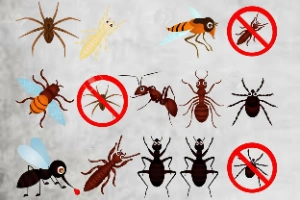 Insect & Bug Control
.webp) Interior Painting
Interior Painting
 Kitchen Fittings
 Kitchen Renovation
 Light Installation & Repair
 Makeup Services
 Manicure & Pedicure
 MCB, Fuse & Meter
 Microwave Repair & Services
 Mini services
 Polishing Work
 Refrigerator Repair & Services
.webp) Rooms Cleaning
Rooms Cleaning
 Shelves & Decor
 Sofa, Carpet & Mattress Cleaning
 Solar Water Heater Service
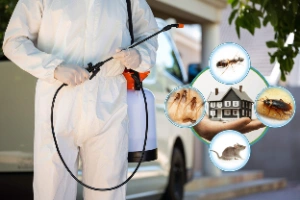 Specialized & Add-On Services
 Specialty & Decorative
 Sump & Tank Cleaning
 Switches & Sockets
 Tap & Mixer Services
 Termite & Rodent Control Services
 Threading & Face Wax
 Toilet & Flush Solutions
 Wall Panels
 Washing Machine
 Water Connections & Leak Repairs
 Water Level Controler
 Water Purifier
 Water tank & motor Repair
 Waterproofing
 Waxing
 Window & Curtain Services
 Wiring Services
.webp) Wood & Cabinet
Wood & Cabinet
 Wooden Door Services